MBA In Human Capital Management Unleashing Potential
MBA In Human Capital Management serves as a gateway to understanding the intricate dynamics of managing an organization’s most valuable asset—its people. In today’s rapidly evolving business landscape, the significance of effective human capital management cannot be overstated; it is essential for driving organizational success and maintaining a competitive edge. This program equips students with critical skills and competencies, empowering them to foster talent, develop leadership, and shape an organization’s culture.
Through a well-structured curriculum, students explore core subjects that delve into strategic management, organizational behavior, and leadership theories, complemented by elective courses that allow for a tailored educational experience. Graduates emerge ready to tackle complex challenges in human resources and drive transformational change within their organizations.
Overview of MBA in Human Capital Management
Human Capital Management (HCM) is a strategic approach to managing an organization’s workforce as a valuable asset that contributes to overall business success. In the context of an MBA program, HCM emphasizes the importance of aligning human resources with organizational goals to enhance performance and employee satisfaction. This program equips professionals with the necessary expertise to navigate the complexities of workforce management, making it essential for today’s business landscape.The significance of an MBA in Human Capital Management is underscored by the evolving demands of the modern workplace, where human capital is increasingly seen as a competitive advantage.
Organizations are recognizing that skilled, engaged, and motivated employees drive innovation, productivity, and profitability. Thus, professionals with an MBA in HCM possess a unique skill set that enables them to effectively manage diverse talent pools, implement strategic HR practices, and contribute to organizational growth.
Key Skills and Competencies Developed
The MBA in Human Capital Management fosters a variety of essential skills and competencies that are crucial for success in the field. These skills not only enhance individual career prospects but also significantly contribute to the effectiveness of organizations in achieving their objectives. The following areas are emphasized throughout the program:
- Strategic Thinking: Develops the ability to align human resource strategies with overall business goals, ensuring that workforce decisions support organizational direction.
- Leadership and Influence: Cultivates skills necessary to lead teams, inspire employees, and drive change within organizations.
- Data-Driven Decision Making: Teaches professionals how to analyze and interpret HR metrics, enabling informed decisions that enhance organizational performance.
- Talent Acquisition and Retention: Focuses on strategies to attract, develop, and retain top talent, ensuring a skilled workforce that meets business needs.
- Employee Relations and Engagement: Enhances understanding of how to foster a positive workplace culture, thereby improving employee satisfaction and retention rates.
Through coursework and practical experiences, students gain insights into these critical areas, preparing them to address the challenges faced by organizations in managing their human capital effectively. With an emphasis on real-world applications and case studies, the program ensures that graduates are well-equipped to make a tangible impact in their organizations.
Curriculum Structure
Source: columbia.edu
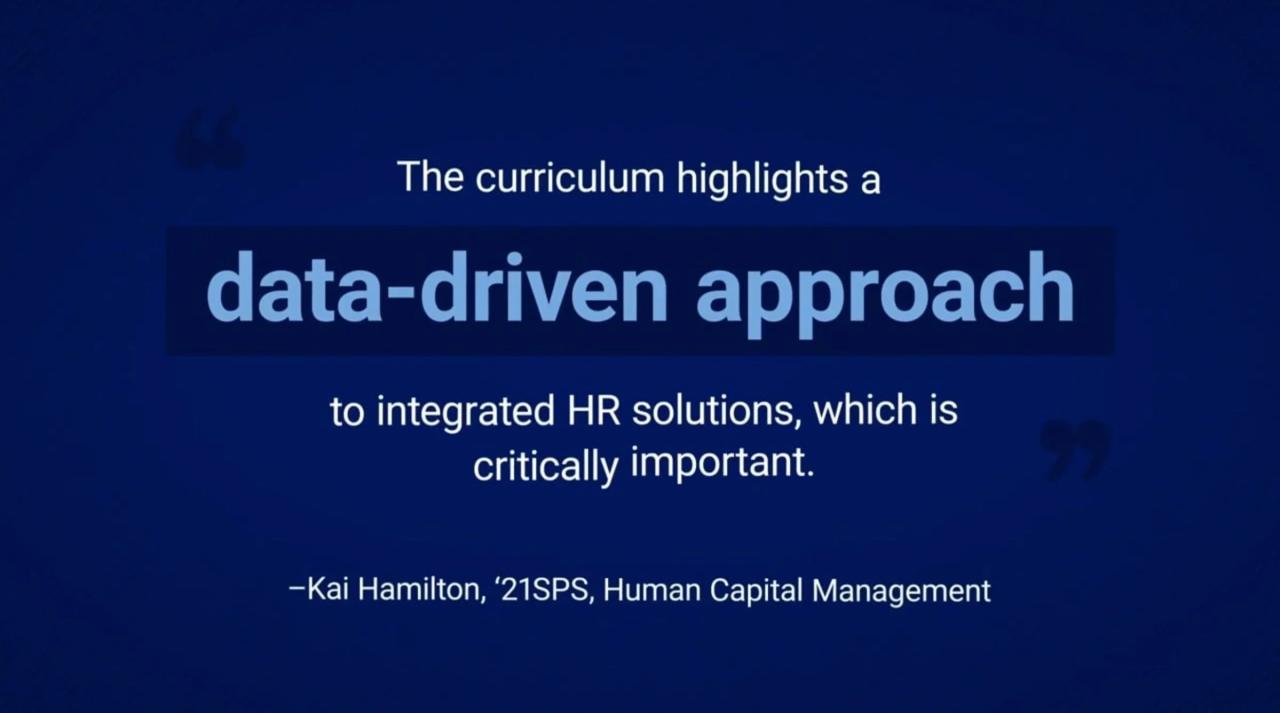
The curriculum structure for an MBA in Human Capital Management is designed to provide students with a comprehensive understanding of the complexities involved in managing an organization’s most valuable asset—its people. This program combines theoretical knowledge with practical applications to equip graduates with the skills necessary to drive organizational success through effective human resource practices.Core subjects typically included in an MBA in Human Capital Management focus on essential areas that form the foundation of human resources and talent management.
These subjects are crucial for developing strategic thinking and decision-making skills relevant to the workforce.
Core Subjects
The core curriculum usually consists of the following subjects:
- Strategic Human Resource Management
- Organizational Behavior
- Talent Acquisition and Recruitment
- Employee Development and Training
- Performance Management Systems
- Compensation and Benefits
- Labor Relations and Employment Law
- Diversity and Inclusion in the Workplace
Each of these subjects plays a significant role in shaping effective HR strategies. For instance, Strategic Human Resource Management focuses on aligning HR activities with the overall business strategy, while Organizational Behavior provides insights into the dynamics of team interactions and individual motivations within a corporate framework.
Elective Courses
Elective courses supplement the core curriculum and allow students to tailor their education to their specific interests and career goals. Examples of elective courses that might complement this specialization include:
- Workforce Analytics
- Change Management
- Negotiation and Conflict Resolution
- Global Human Resource Management
- Organizational Development
- Coaching and Mentoring
- Advanced Employment Law
These electives enable students to deepen their expertise in niche areas and enhance their employability in a competitive job market. For instance, Workforce Analytics equips graduates with data-driven decision-making skills, which are increasingly crucial in modern HR practices.
Sample Course Timeline
A typical MBA program focusing on Human Capital Management spans over two years, divided into four semesters. Below is a sample course timeline illustrating how the academic structure might look:
| Semester | Core Courses | Elective Courses |
|---|---|---|
| 1 | Strategic Human Resource Management Organizational Behavior |
Workforce Analytics |
| 2 | Talent Acquisition and Recruitment Employee Development and Training |
Change Management |
| 3 | Performance Management Systems Compensation and Benefits |
Negotiation and Conflict Resolution |
| 4 | Labor Relations and Employment Law Diversity and Inclusion in the Workplace |
Coaching and Mentoring |
This structured timeline provides a clear pathway for students to acquire foundational knowledge while also exploring specialized areas of interest. By the end of the program, graduates will be well-equipped to tackle the challenges faced in the field of Human Capital Management, ready to make a meaningful impact in their organizations.
Career Opportunities
Graduates with an MBA in Human Capital Management are well-positioned to enter a dynamic field that is increasingly recognized as vital to organizational success. The application of human capital strategies has become essential in addressing the complex challenges that modern businesses face, fostering the need for skilled professionals in this area.The career paths available to MBA graduates in Human Capital Management are diverse, spanning various industries and roles.
These professionals often find themselves engaged in activities that promote workforce development, enhance employee engagement, and facilitate organizational change. Below are some prominent career avenues:
Human Resources Manager
A Human Resources Manager plays a pivotal role in shaping an organization’s workforce strategies. Their responsibilities typically include:
- Developing and implementing HR policies and procedures to ensure compliance with labor laws.
- Overseeing talent acquisition and onboarding processes to attract and retain top talent.
- Managing employee relations and addressing grievances to maintain a positive work environment.
- Designing and overseeing training and development programs to enhance employee skills.
Talent Acquisition Specialist
Talent Acquisition Specialists focus on sourcing and recruiting the right candidates for organizational needs. Their key functions involve:
- Conducting job analyses to establish hiring criteria and role expectations.
- Utilizing various recruitment channels to reach potential candidates, including social media and job fairs.
- Collaborating with hiring managers to ensure alignment with the company’s strategic goals and culture.
- Facilitating the interview process and providing feedback to candidates and stakeholders.
Organizational Development Consultant
Organizational Development Consultants work to improve an organization’s effectiveness and employee satisfaction. Their essential duties include:
- Evaluating organizational structure and culture to identify areas of improvement.
- Designing and implementing change management strategies to facilitate transitions.
- Conducting workshops and training sessions to foster leadership and team collaboration.
- Analyzing employee feedback and performance data to inform strategic decisions.
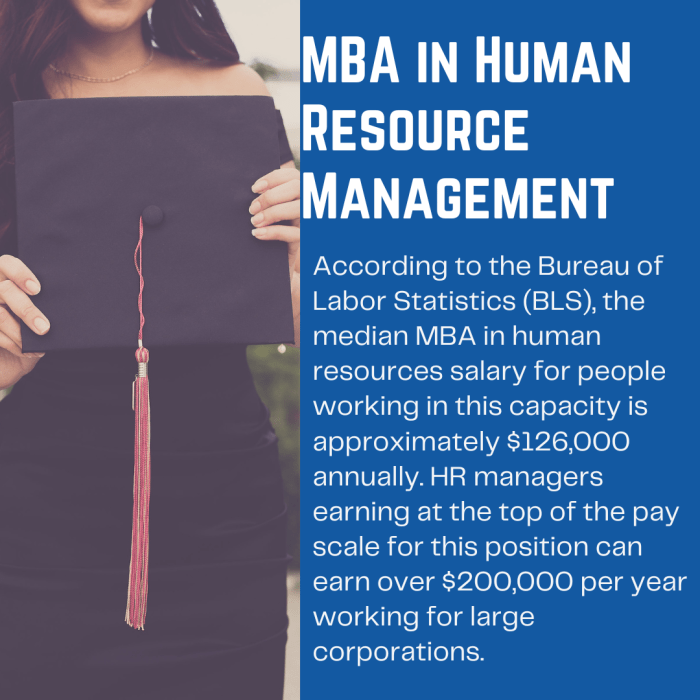
Salary ranges within the Human Capital Management field can vary significantly based on experience, location, and the specific role. Here’s a general overview of potential earnings:
| Job Title | Average Salary (USD) |
|---|---|
| Human Resources Manager | $90,000 – $130,000 |
| Talent Acquisition Specialist | $60,000 – $100,000 |
| Organizational Development Consultant | $80,000 – $120,000 |
“Investing in human capital is investing in the future of the organization.”
Importance of Leadership in Human Capital Management: MBA In Human Capital Management
Source: cloudfront.net
Leadership plays a pivotal role in the management and development of human capital within organizations. Effective leaders not only inspire and motivate employees but also cultivate a culture that values talent, innovation, and collaboration. In the realm of human capital management, strong leadership drives engagement and productivity while ensuring that employees are aligned with the organization’s goals. Successful leadership fosters an environment where individuals can thrive and contribute meaningfully to the overall mission.The role of leadership in human capital management extends beyond mere oversight; it encompasses the strategic development of talent and the implementation of practices that nurture employee growth.
Leaders are responsible for creating frameworks that support learning, encourage diversity, and facilitate open communication. By leveraging their influence, leaders can also promote policies that align with the organization’s vision while addressing the specific needs of their workforce.
Key Leadership Theories and Their Application in Human Capital Management
Understanding various leadership theories is essential for effective human capital management. Different theories provide frameworks that leaders can apply to enhance team dynamics and employee satisfaction.
1. Transformational Leadership
This approach emphasizes inspiring and motivating employees to exceed expectations. Transformational leaders focus on individual development, fostering a shared vision, and encouraging innovation. Companies like Google exemplify this model by promoting a culture of creativity and employee empowerment.
2. Servant Leadership
This theory posits that leaders should prioritize the needs of their team members, fostering an environment of collaboration and trust. Organizations such as Southwest Airlines have successfully implemented servant leadership principles, with a strong focus on employee well-being translating into high levels of customer service.
3. Situational Leadership
This model suggests that effective leaders adapt their style based on the maturity and capability of their team members. For example, a leader at a tech startup may take a hands-on approach with inexperienced staff while adopting a more delegative style with seasoned professionals.By understanding these theories, leaders can tailor their approach to better fit the needs of their workforce, ultimately leading to enhanced performance and satisfaction.
Case Studies of Successful Leadership in Human Capital Initiatives
Several organizations have demonstrated effective leadership in managing their human capital through innovative initiatives.
Microsoft’s Cultural Transformation
Under CEO Satya Nadella’s leadership, Microsoft underwent a cultural shift towards a growth mindset. Emphasizing collaboration and continuous learning, Nadella’s approach resulted in significant improvements in employee engagement and innovation.
Zappos and Employee Empowerment
Zappos is renowned for its unique organizational culture, which prioritizes employee happiness and customer service. CEO Tony Hsieh’s leadership style focuses on empowering employees to make decisions, leading to increased morale and productivity.
Unilever’s Sustainable Living Plan
Unilever’s leadership has focused on integrating sustainability into its core business strategy. By involving employees in initiatives that align with their values, the company has seen heightened employee engagement and a stronger commitment to corporate social responsibility.These examples underscore the critical role of leadership in shaping effective human capital management strategies that drive organizational success.
Trends and Challenges in Human Capital Management
The landscape of Human Capital Management (HCM) is continually evolving, influenced by various factors including technological advancements, changing workforce demographics, and global economic shifts. Recognizing these trends and the challenges they impose is critical for professionals in the field, allowing them to implement effective strategies and adapt to the dynamic business environment.Current trends in HCM reflect a shift towards more personalized and data-driven approaches to managing talent.
As organizations look to enhance employee engagement and retention, understanding these trends provides a roadmap for effective HCM practices.
Current Trends Affecting Human Capital Management
The following trends are significantly shaping Human Capital Management practices:
- Emphasis on Employee Experience: Companies are prioritizing the overall employee experience, focusing on well-being, engagement, and satisfaction to foster a more motivated workforce.
- Remote Work and Flexibility: The rise of remote work has led organizations to adopt flexible policies, as they recognize the importance of work-life balance in attracting and retaining talent.
- Data Analytics in Decision-Making: Leveraging data analytics is becoming crucial for informed decision-making in talent acquisition, performance management, and workforce planning.
- Diversity, Equity, and Inclusion (DEI): Emphasizing DEI initiatives is vital for creating a more inclusive workplace, which enhances creativity and drives better business outcomes.
- Focus on Learning and Development: Continuous learning is critical as companies invest in upskilling and reskilling employees to stay competitive and adaptable to market changes.
Common Challenges Faced in Human Capital Management
Professionals in Human Capital Management encounter various challenges that can hinder their effectiveness. Understanding these obstacles allows for the development of targeted strategies to overcome them.
- Talent Acquisition and Retention: The competition for top talent is fierce, making it essential for organizations to refine their recruitment strategies and create attractive employee value propositions.
- Managing Workforce Diversity: While diversity brings numerous benefits, managing a diverse workforce can present challenges in terms of communication and team dynamics.
- Adapting to Technological Changes: Keeping pace with rapid technological advancements can be daunting for HR professionals, requiring ongoing training and adaptation.
- Employee Engagement: Maintaining high levels of employee engagement is critical, yet can be challenging in remote work settings where connection is often diluted.
- Compliance and Regulatory Issues: Navigating complex labor laws and regulations can be overwhelming, necessitating vigilant monitoring and adaptation of policies.
Impact of Technology on Human Capital Management, MBA In Human Capital Management
Technology plays a transformative role in Human Capital Management, reshaping how organizations approach various HR functions. The integration of advanced tools has made it possible to enhance efficiency and foster a more data-driven approach.
- Automation of HR Processes: Automating repetitive tasks, such as payroll and benefits administration, allows HR professionals to focus on strategic initiatives that drive organizational success.
- Use of HR Software and Platforms: Modern HR software provides comprehensive solutions for managing employee information, tracking performance, and facilitating communication across departments.
- Artificial Intelligence in Recruitment: AI-powered tools help streamline the recruitment process by analyzing resumes and predicting candidate success based on data patterns.
- Remote Collaboration Tools: Technology facilitates communication and collaboration among remote teams, ensuring that employees remain connected and productive.
- Data Analytics for Workforce Insights: Companies are increasingly utilizing data analytics to gain insights into employee performance, engagement levels, and retention rates, allowing for more strategic decision-making.
Global Perspective on Human Capital Management
Human Capital Management (HCM) is essential in today’s interconnected world, where businesses operate across diverse cultures and regions. The strategies implemented for managing human capital vary significantly, influenced by local customs, societal norms, and economic conditions. This section delves into the differences in HCM practices worldwide, the significance of globalization, and highlights exemplary international companies leading in HCM.
Differentiation of Human Capital Management Strategies Across Cultures
Human Capital Management strategies must be tailored to fit the cultural contexts in which organizations operate. This cultural adaptability ensures that companies can effectively engage and motivate their workforce, which is crucial for productivity and retention. For instance, in collectivist cultures such as Japan, HCM often emphasizes teamwork, harmony, and employee loyalty. Companies may offer lifetime employment and strong pension benefits, fostering a sense of belonging.Conversely, in individualistic cultures like the United States, HCM strategies tend to focus on personal achievement and career advancement.
Organizations may adopt more flexible structures, emphasizing performance-based rewards and career development opportunities. Key aspects that illustrate cultural differences in HCM strategies include:
- Communication Styles: In high-context cultures, non-verbal cues and relationships take precedence, whereas low-context cultures prioritize direct communication.
- Decision-Making Processes: Hierarchical cultures often favor top-down decision-making, whereas egalitarian cultures may encourage collaborative approaches.
- Work-Life Balance: In some cultures, work-life balance is emphasized as essential for employee satisfaction, while in others, longer work hours might be the norm.
Influence of Globalization on Human Capital Management Practices
Globalization has profoundly influenced Human Capital Management, leading to the emergence of practices that transcend national boundaries. Companies must adapt to a global workforce that is diverse in background, skills, and expectations. As such, HCM practices have evolved to promote inclusivity and cultural sensitivity.Globalization encourages the sharing of best practices in HCM, allowing organizations to learn from successful strategies implemented around the world.
It has also led to the adoption of technology-driven solutions, such as cloud-based HCM systems, which enable companies to manage their global talent pool efficiently.Notable trends shaped by globalization in HCM include:
- Remote Work Opportunities: Increasingly, companies are embracing remote work, enabling them to tap into talent across different geographic locations.
- Focus on Diversity and Inclusion: Organizations are prioritizing diverse hiring practices to create an inclusive workplace that reflects global demographics.
- Continuous Learning and Development: Global companies emphasize ongoing training to keep employees adaptable in a rapidly changing market.
Examples of International Companies Excelling in Human Capital Management
Several international companies have set benchmarks in Human Capital Management through innovative practices and a commitment to employee engagement. Their successful HCM strategies demonstrate the importance of aligning corporate culture with human resource initiatives.Prominent examples include:
- Google: Known for its unique workplace culture, Google focuses on employee well-being through various programs, including flexible work hours and recreational facilities.
- Unilever: This global consumer goods company implements comprehensive diversity and inclusion policies, ensuring a workforce that reflects the customer base it serves.
- Deloitte: Deloitte leads in promoting continuous learning and development, offering employees numerous opportunities for career advancement and skills enhancement.
“The best investment a company can make is in its people.”
Networking and Professional Development
In today’s dynamic landscape of Human Capital Management (HCM), networking and professional development are essential for success. Building strong relationships within the field enhances knowledge exchange, fosters collaboration, and provides access to new opportunities. As the role of human capital continues to evolve, professionals must stay connected and continuously grow their skills to meet emerging demands.One of the key aspects of thriving in HCM is establishing a robust network of peers, mentors, and industry leaders.
Networking opens the door to potential job opportunities, collaborations on innovative projects, and access to valuable industry insights. Engaging with others in the field not only broadens one’s perspective but also creates a support system that can guide through career challenges.
Professional Organizations and Associations
Professional organizations play a vital role in supporting HCM professionals by offering resources, networking opportunities, and industry advocacy. These associations can be instrumental in career advancement and professional growth. Here are some prominent organizations in the field:
- Society for Human Resource Management (SHRM): This is one of the largest HR professional associations, providing resources, certifications, and networking events.
- International Association for Human Resource Information Management (IHRIM): Focused on the intersection of HR and technology, IHRIM supports professionals through conferences and certifications.
- Human Capital Institute (HCI): HCI offers research, education, and certifications focused on strategic talent management.
- Association for Talent Development (ATD): This organization focuses on developing talent within organizations and provides numerous learning opportunities.
Continuous Learning and Professional Development Opportunities
Continuous learning is crucial in Human Capital Management due to the rapid changes in workforce dynamics and technology. Professionals are encouraged to engage in ongoing education, workshops, and seminars to enhance their skills. Some popular avenues for professional development include:
- Certifications: Pursuing certifications such as SHRM-CP, SHRM-SCP, or HRCI’s PHR and SPHR can significantly boost one’s credentials and professional standing.
- Workshops and Seminars: Participating in specialized workshops and seminars provides hands-on experience and insights into the latest trends and practices in HCM.
- Online Courses: Platforms like Coursera, LinkedIn Learning, and edX offer courses tailored to various aspects of human capital management, allowing for flexible learning schedules.
- Conferences: Attending industry conferences is a great way to gain knowledge, hear from experts, and network with peers while staying updated on innovations in HCM.
“Networking is not about just connecting people. It’s about connecting people with people, people with ideas, and people with opportunities.”
Last Word
Source: adbyu.com
In conclusion, the MBA In Human Capital Management is more than just a degree; it is a comprehensive platform designed to cultivate future leaders in the field. By understanding the trends, challenges, and global perspectives surrounding human capital, graduates are well-prepared to make impactful decisions that resonate throughout their organizations. As they embark on diverse career paths, the knowledge gained will not only enhance their professional journey but also contribute significantly to the workforce of tomorrow.
FAQ Section
What are the typical prerequisites for this MBA program?
Most programs require a bachelor’s degree and may prefer applicants with relevant work experience in human resources or management.
How long does it take to complete the MBA In Human Capital Management?
The program typically takes 1 to 2 years to complete, depending on whether you study full-time or part-time.
Are there online options available for this MBA?
Yes, many universities offer online or hybrid formats for flexibility while pursuing your degree.
What industries commonly hire graduates of this program?
Graduates can find opportunities in various sectors including finance, healthcare, technology, and manufacturing, as all industries require effective human capital management.
How does this MBA help with career advancement?
This MBA equips professionals with leadership skills and strategic thinking necessary for higher-level positions, making them competitive candidates for promotions and new opportunities.