MBA Admission Counseling Services for Future Leaders
MBA Admission Counseling Services sets the stage for this enthralling narrative, offering prospective students the guidance they need to navigate the complex MBA application landscape. These services play a crucial role in shaping candidates’ applications, ensuring they showcase their strengths and aspirations effectively. By debunking common misconceptions, these counseling services illuminate the path to achieving a fulfilling and successful MBA journey.
With personalized support, students can enhance their application strategy, refine their essays, and prepare for interviews, ultimately increasing their chances of admission to their dream programs.
Overview of MBA Admission Counseling Services
MBA admission counseling services are designed to assist prospective students in navigating the intricate process of applying to MBA programs. These services typically include personalized guidance in selecting the right schools, preparing compelling application materials, and developing interview strategies, all aimed at enhancing a candidate’s chances of admission to their desired programs.The importance of these counseling services cannot be overstated.
With the competitive nature of MBA admissions, expert guidance can significantly improve an applicant’s profile. Counseling services help candidates articulate their strengths and experiences effectively, ensuring that they present a cohesive narrative throughout their application. This support not only assists in avoiding common pitfalls associated with the application process but also helps candidates make informed decisions regarding program selection and career goals.
Common Misconceptions about MBA Admission Counseling Services
There are several misconceptions regarding MBA admission counseling services that can lead candidates to underestimate their value. Understanding these misconceptions can help applicants make better-informed choices about seeking assistance.
- Only weak candidates need counseling: Many believe that only those with subpar qualifications seek counseling. However, even strong candidates can benefit from expert insights and tailored strategies to stand out in a crowded applicant pool.
- Counseling guarantees admission: A prevalent myth is that hiring a counselor guarantees acceptance into an MBA program. In reality, counseling enhances an applicant’s ability to present themselves effectively, but admission decisions ultimately depend on the schools.
- All counselors are the same: Not all counseling services offer the same quality or depth of expertise. Candidates should research and select counselors with proven track records and relevant experience in the admissions landscape of their target programs.
- Counseling is only about essays: While essay writing is a crucial component, counseling encompasses a broader range of services including resume reviews, interview preparation, and overall application strategy.
Benefits of Using MBA Admission Counseling Services

Source: collegebasics.com
Navigating the MBA admissions process can be a complex and daunting task for many applicants. Personalized counseling services offer a tailored approach that can significantly enhance the chances of admission into competitive programs. With expert guidance, applicants can better understand their strengths, address weaknesses, and strategically present their profiles to admissions committees.One major advantage of personalized counseling is the individualized attention it provides.
Counselors work closely with applicants to develop compelling narratives, refine application materials, and prepare for interviews. This customized support can lead to stronger applications and ultimately increase the likelihood of acceptance into desired programs.
Success Stories from Counseling Services
Many students have transformed their MBA application experience through effective counseling. These success stories showcase how targeted guidance can lead to outstanding outcomes.
- John’s Journey: After struggling with his application for weeks, John sought the help of a counseling service. With expert feedback on his essays and interview preparation, he was able to articulate his aspirations clearly and confidently. He was accepted into a top-tier MBA program.
- Maria’s Transformation: Maria had a low GMAT score that she believed would hinder her chances. The counseling team helped her highlight her unique professional experiences and leadership roles in her application, allowing her to gain admission to her first-choice school.
These examples illustrate how personalized support not only improves individual application components but also instills confidence in applicants, making them more effective communicators during the admission process.
Impact on Admission Chances
Utilizing MBA admission counseling services can have a substantial positive impact on admission chances. Research indicates that applicants who engage in structured counseling demonstrate improved application quality and preparedness. Key factors contributing to this impact include:
- Enhanced understanding of what specific programs value in candidates.
- Improved writing skills for essays and personal statements.
- Tailored interview coaching to effectively communicate personal narratives.
“Applicants who worked with counselors reported an increase in admission rates by as much as 30% compared to those who applied independently.”
By leveraging the experience and insights of MBA admission counselors, applicants can navigate the competitive landscape with more confidence and clarity, significantly enhancing their chances of success in securing a coveted spot in their desired program.
The Process of MBA Admission Counseling
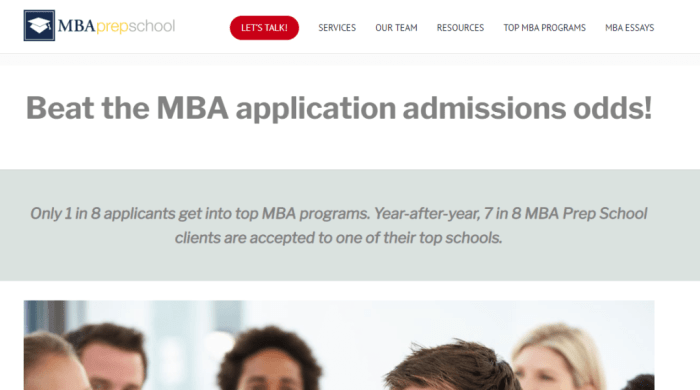
Source: 2400expert.com
The process of MBA admission counseling is structured and comprehensive, designed to guide applicants through the maze of admissions. It involves several well-defined steps, each crucial to ensuring that candidates present their best selves to prospective business schools. Effective counseling not only enhances the admission chances but also aligns candidates with schools that fit their career goals and aspirations.The process typically begins with an initial consultation, moving systematically through assessments, application preparation, and final submission.
Understanding this framework is essential for candidates aiming for a successful admission journey.
Steps Involved in MBA Admission Counseling
The MBA admission counseling process can be broken down into several key steps. Each step plays a vital role in shaping the applicant’s profile and enhancing their chances of acceptance into a desired program. Here are the typical stages:
Initial Consultation
An introductory meeting to understand the candidate’s background, goals, and preferred MBA programs.
– Self-Assessment
Candidates take assessments to gauge their skills, interests, and readiness for an MBA program.
School Research
Researching various MBA programs to find the best fit based on aspirations, culture, and career objectives.
Application Strategy Development
Creating a personalized strategy for applying to targeted schools, including timelines and necessary materials.
Resume and Essay Preparation
Assisting candidates in crafting a compelling resume and essays that highlight their strengths and fit for the program.
Interview Coaching
Preparing candidates for interviews with mock sessions and feedback to improve performance.
Final Review and Submission
A thorough review of the entire application package before submission to ensure accuracy and completeness.
To give a clearer picture of the timeline involved in this process, consider the table below:
| Step | Timeline | Actions |
|---|---|---|
| Initial Consultation | Week 1 | Discuss background and goals |
| Self-Assessment | Weeks 2-3 | Complete assessments and analyze results |
| School Research | Weeks 4-5 | Identify suitable programs |
| Application Strategy Development | Week 6 | Create a timeline and list of requirements |
| Resume and Essay Preparation | Weeks 7-9 | Draft and refine application materials |
| Interview Coaching | Weeks 10-11 | Mock interviews and feedback sessions |
| Final Review and Submission | Week 12 | Check and submit applications |
Assessment and feedback are integral components of the counseling process. They provide candidates with insights into their strengths and areas for improvement, enabling them to enhance their profiles effectively. Feedback sessions often involve discussing assessment results, refining application materials, and preparing for interviews.>
Continuous assessment and feedback lead to a more polished and competitive application, increasing the likelihood of acceptance into the desired MBA program.
By following this structured approach, candidates maximize their potential to gain admission to top business schools, paving the way for their future careers.
Key Services Offered by MBA Admission Counselors: MBA Admission Counseling Services

Source: wisdommart.com
MBA admission counselors play a pivotal role in guiding prospective students through the complexities of the application process. Their expertise not only streamlines the admissions journey but also enhances the overall quality of applications submitted to business schools. By utilizing a range of services, candidates can improve their chances of securing a place in competitive MBA programs.A well-structured approach to MBA admissions can significantly impact the effectiveness of an application.
Key services offered by MBA admission counseling firms are designed to address various aspects of the application process, allowing candidates to present their best selves to admissions committees.
Essential Services Offered
The following services are typically offered by MBA admission counselors, each tailored to enhance the application experience:
- Application Strategy Development: A comprehensive evaluation of a candidate’s profile to create a personalized application strategy, ensuring alignment with the target schools’ values and expectations.
- Essay Editing and Guidance: Assistance in crafting compelling essays that articulate the candidate’s journey, goals, and motivations, while providing constructive feedback on content and structure.
- Resume Review and Enhancement: A thorough analysis of the candidate’s resume to highlight relevant skills and experiences, ensuring it complements the overall application narrative.
- Interview Preparation: Mock interviews and personalized coaching to help candidates articulate their thoughts effectively and address potential questions confidently.
- School Selection and Fit Analysis: Guidance in identifying the right MBA programs based on the candidate’s career goals, profile, and preferences, ensuring a good fit.
- Recommendation Strategy and Support: Advice on selecting the best recommenders and providing them with relevant information to write impactful letters of recommendation.
The significance of these service features lies in their comprehensive approach to application preparation. For instance, developing an application strategy ensures that candidates are not only aware of their strengths but also understand how to mitigate weaknesses effectively. Interview preparation is crucial as first impressions can heavily influence admissions decisions; being well-prepared can showcase a candidate’s confidence and suitability for the program.
Comparative List of Services
Different counseling providers may offer varying levels of service, which can affect the selection process for prospective students. Here’s a comparative overview of common offerings:
| Service | Provider A | Provider B | Provider C |
|---|---|---|---|
| Application Strategy Development | Yes | Yes | No |
| Essay Editing | In-depth Review | Basic Feedback | In-depth Review |
| Resume Review | Comprehensive | Basic Review | Detailed Analysis |
| Interview Preparation | Mock Interviews | None | Coaching Sessions |
| School Selection | Personalized | Generic List | Customized |
| Recommendation Support | Full Guidance | Limited Tips | Full Guidance |
This comparative view helps candidates assess which counseling provider aligns best with their needs, ensuring they make an informed decision on the services they choose to utilize. By selecting the right support, candidates can maximize their potential and navigate the MBA admission landscape with confidence.
Selecting the Right MBA Admission Counselor
Choosing the right MBA admission counselor can significantly impact your application journey. With various counselors available, understanding what qualities to look for is essential to ensure you receive the best guidance tailored to your needs. This segment discusses key factors to consider, the necessary qualifications and experience of a good counselor, and provides a checklist for evaluating potential counselors.
Factors to Consider When Choosing an MBA Admission Counselor
Selecting an MBA admission counselor involves analyzing several critical factors that can influence your experience and success in the application process.
- Specialization: Look for counselors who specialize in MBA admissions and have a proven track record of successful placements in your target schools.
- Personalized Approach: Choose a counselor who takes the time to understand your unique background, goals, and aspirations, providing tailored advice rather than one-size-fits-all solutions.
- Success Rate: Research the counselor’s success rate with past clients, particularly those who applied to schools you are interested in.
- Communication Style: Ensure the counselor’s communication style aligns with your preferences. A good counselor should be approachable and willing to engage in open dialogue.
- Availability: Consider the responsiveness and availability of the counselor. A dedicated counselor should be accessible when you need guidance or have questions.
Qualifications and Experience of an MBA Admission Counselor
An effective MBA admission counselor should possess a robust set of qualifications and experience to guide you through the complexities of the application process.
“Experience in the educational sector, particularly with MBA admissions, lends credibility and insight.”
- Educational Background: A degree from a reputable institution, ideally in education, business, or counseling, enhances a counselor’s credibility.
- Professional Experience: Look for counselors who have firsthand experience with the admissions process, either as former admissions officers or as seasoned consultants.
- Industry Knowledge: A strong understanding of current trends in MBA admissions can be crucial in providing relevant advice and strategies.
- Client References: Request testimonials or references from previous clients to gauge their satisfaction and the counselor’s effectiveness.
Checklist for Evaluating Potential Counselors
Having a checklist can simplify the evaluation process, ensuring that you consider all necessary aspects before making a decision.
- Does the counselor have a solid educational background relevant to MBA admissions?
- What is their experience level in the admissions process, and have they worked with your target schools?
- Can they provide evidence of successful admissions for past clients?
- Are they accessible and willing to communicate regularly?
- Do they offer a personalized approach tailored to your specific needs?
- What are the costs involved, and do they align with your budget?
Common Challenges Faced by MBA Applicants
Navigating the MBA application process can be daunting for many candidates. From selecting the right programs to preparing for standardized tests, applicants often encounter various challenges that can create stress and uncertainty. Understanding these hurdles and employing effective strategies can significantly enhance an applicant’s chances of success.One of the most common challenges faced by MBA applicants is managing the multitude of application components, including essays, recommendations, and interviews.
Each part requires careful attention and thoughtful preparation, leading to potential overwhelm. Additionally, many applicants struggle with self-presentation, often unsure of how to effectively communicate their achievements and aspirations.
Time Management Skills
Effective time management is crucial for applicants juggling work, study, and personal commitments alongside their MBA application. Poor time management often leads to last-minute rushes, which can compromise the quality of each application component.To tackle this challenge, applicants can implement the following strategies:
- Establish a detailed timeline that Artikels all application deadlines and milestones, allowing for a structured approach to the process.
- Break down tasks into manageable portions, setting aside specific time blocks each week for essay writing, networking, and test preparation.
- Utilize productivity tools and apps that help prioritize tasks and set reminders for important deadlines.
Standardized Test Anxiety
Another major hurdle for many applicants is the anxiety associated with standardized tests like the GMAT or GRE. The pressure to achieve a competitive score can be overwhelming, often leading to performance issues on test day.To overcome test anxiety, applicants can adopt the following methods:
- Engage in regular practice with timed mock tests to build confidence and familiarity with the test format.
- Learn stress-reduction techniques, such as mindfulness or deep-breathing exercises, which can be practiced before and during the exam.
- Join study groups or tutoring sessions for support and motivation from peers who are also preparing for the exam.
Crafting Compelling Personal Essays
Personal essays are a vital component of the MBA application, and many applicants struggle to articulate their stories effectively. The challenge lies in presenting a unique narrative that stands out among a sea of applicants.To excel in essay writing, candidates can follow these guidelines:
- Start early to allow ample time for brainstorming, drafting, and revisions to refine their essays.
- Seek feedback from trusted mentors or admission counselors who can provide constructive criticism.
- Focus on authenticity; using personal anecdotes can create a more engaging and relatable narrative.
Testimonials from Applicants
Real experiences from previous applicants illustrate these challenges and their resolutions. For example, a candidate named Sarah shared her struggle with time management during her application process. “I learned to use a planner effectively, and it helped me to allocate time wisely, ensuring I submitted my applications with confidence, not stress.”Another applicant, James, spoke about overcoming his test anxiety. “I never thought I’d be able to conquer my nerves for the GMAT.
However, dedicating time to practice tests and adopting relaxation techniques made a significant difference on test day.”These experiences highlight the common obstacles faced by MBA applicants and underscore the importance of proactive strategies in overcoming them.
The Role of Essays and Personal Statements
Essays and personal statements play a pivotal role in the MBA application process. They are not just an opportunity to showcase your academic credentials; rather, they serve as a powerful tool for applicants to narrate their unique stories, articulate their aspirations, and demonstrate their fit with the desired program. In an era where many candidates might have similar academic backgrounds and work experiences, a compelling essay can distinguish you from the rest and leave a lasting impression on admissions committees.The significance of well-crafted essays cannot be overstated, as they offer insight into your personality, motivations, and professional goals.
MBA admission counselors provide invaluable assistance in developing these narratives, guiding candidates through the intricacies of self-reflection and articulation of their experiences. Their expertise helps applicants to sift through their achievements, find the most relevant stories, and convey them in a way that resonates with the admissions committee.
Importance of Structure and Themes
A strong essay structure is crucial for clear communication of ideas. Admission counselors often recommend specific frameworks to help applicants organize their thoughts effectively. Here are some common structures and themes that work well in MBA essays:
- The STAR Method: This framework focuses on Situation, Task, Action, and Result. It helps in detailing achievements by providing a clear narrative that highlights your problem-solving skills and outcomes.
- Personal Growth Narrative: This theme revolves around a significant experience that shaped your character or professional outlook. It should illustrate lessons learned and how they influence your future goals.
- Vision for the Future: Applicants can articulate their long-term career aspirations and how the MBA program aligns with those goals. This approach emphasizes strategic thinking and forward-planning.
In crafting essays, counselors stress the importance of authenticity and connection to personal experiences. Effective essays often include specific anecdotes that not only highlight achievements but also reflect personal values and motivations.
“Your essay should be a reflection of who you are, not just a résumé in prose.”
In conclusion, the role of essays and personal statements in MBA applications cannot be overlooked. A well-structured, authentic narrative crafted with the help of professional guidance can significantly enhance an applicant’s chances of admission by effectively showcasing their unique journey and aspirations.
Preparing for MBA Interviews
Effective MBA interview preparation is key to making a lasting impression on admissions committees. The interview serves as a crucial opportunity for candidates to showcase their unique experiences, professional aspirations, and fit with the program. Preparing thoroughly not only increases confidence but also enhances the ability to articulate personal narratives and career goals clearly and convincingly.The key components of effective MBA interview preparation involve understanding the program’s values, practicing common interview questions, and developing self-presentation techniques.
Candidates should familiarize themselves with the school’s culture and expectations, as well as anticipate questions that may arise during the interview. Engaging in mock interviews can also provide valuable feedback and reduce interview anxiety.
Common Interview Questions and Recommended Strategies
Familiarity with common interview questions is essential for successful interview preparation. Here is a table listing frequently asked questions along with strategies for crafting impactful responses:
| Common Interview Questions | Recommended Strategies |
|---|---|
| Tell me about yourself. | Craft a concise narrative that highlights your background, achievements, and career aspirations. Focus on aspects relevant to the MBA program. |
| Why do you want to pursue an MBA? | Be specific about your motivations, such as skills development, networking opportunities, and how the program aligns with your career goals. |
| Describe a challenge you faced and how you overcame it. | Use the STAR (Situation, Task, Action, Result) method to present a clear and structured response that showcases your problem-solving skills. |
| What are your short-term and long-term career goals? | Clearly Artikel your goals and explain how the MBA program will help you achieve them, connecting specific program resources to your aspirations. |
| How do you handle teamwork and conflict? | Provide examples from past experiences demonstrating your ability to collaborate and resolve conflicts effectively. |
Presenting oneself confidently during interviews is essential for making a strong impression. Candidates can adopt several strategies to enhance their self-presentation:
- Practice Active Listening: Engage with the interviewer by listening carefully to their questions and responding thoughtfully.
- Maintain Positive Body Language: Use eye contact, a firm handshake, and an open posture to convey confidence and enthusiasm.
- Dress Professionally: Choose attire that aligns with the program’s culture while remaining professional and polished.
- Prepare Questions: Show interest in the program by preparing insightful questions to ask the interviewer, demonstrating your engagement and research.
- Manage Anxiety: Practice relaxation techniques before the interview to help maintain calm and focus.
By honing these components of interview preparation, candidates can present themselves effectively and maximize their chances of success in securing a place in their desired MBA program.
The Impact of MBA Admission Counseling on Career Goals
The role of MBA admission counseling extends far beyond the application process; it is pivotal in shaping long-term career aspirations. By aligning applicants’ educational choices with their professional goals, counseling services can enhance career trajectories and open doors to new opportunities.MBA programs are designed to equip students with essential business knowledge and leadership skills. Through targeted counseling, candidates can select programs that not only match their career objectives but also provide robust networking opportunities and relevant practical experiences.
This alignment is crucial as it significantly influences career advancement and organizational impact.
Connection Between MBA Programs and Career Advancement Opportunities, MBA Admission Counseling Services
The relationship between MBA education and professional growth is well-documented. Many graduates experience immediate and lasting benefits from their MBA studies, often translating to accelerated career paths. Key factors include:
- Skill Development: MBA programs foster critical thinking, strategic decision-making, and leadership abilities, equipping graduates to tackle complex business challenges.
- Networking Opportunities: MBA programs provide access to a vast network of peers, alumni, and industry leaders, facilitating connections that can lead to job offers and partnerships.
- Enhanced Earning Potential: Many studies indicate that MBA graduates often enjoy higher salaries compared to their non-MBA counterparts, reflecting the value of advanced business education in the job market.
- Career Flexibility: An MBA can enable career changers to pivot into new industries or roles, as it provides a broad understanding of business functions that are applicable across various sectors.
Case Studies of Career Growth Post-MBA
Examining real-life success stories highlights the transformative impact of MBA admission counseling and education on professional journeys. Here are notable examples:
“An MBA is not just a degree; it’s a gateway to new possibilities.”
- John Smith, a Marketing Manager: After receiving counseling that aligned his interests with a top-tier MBA program, John transitioned from a junior role to a managerial position in just two years post-graduation. His new skills and network enabled him to lead significant marketing campaigns for a Fortune 500 company.
- Lisa Wong, Entrepreneur: Lisa utilized MBA counseling to identify her passion for entrepreneurship. Armed with the business acumen acquired during her MBA, she launched a successful startup, attracting investors and growing her business exponentially in three years.
- Raj Patel, Consultant: Raj’s counseling experience helped him choose an MBA with a focus on consulting. He landed a prestigious internship that directly led to a full-time offer, resulting in a swift career ascent with a leading consulting firm.
These cases underscore the importance of tailored MBA admission counseling in realizing career aspirations and maximizing the potential that an MBA offers.
Last Recap
In conclusion, MBA Admission Counseling Services provide invaluable assistance that can significantly influence an applicant’s journey toward a successful MBA admission. By understanding the benefits and processes involved, prospective candidates can make informed decisions that align with their career goals. Embracing these services not only prepares students for the application process but also sets the groundwork for future professional achievements.
FAQ Corner
What are MBA Admission Counseling Services?
These services offer personalized guidance to help applicants navigate the MBA admission process, improve their applications, and increase their chances of acceptance.
How can these services improve my application?
They provide tailored advice on application strategies, essay writing, interview preparation, and feedback to enhance the overall quality of your submissions.
Are these services worth the investment?
For many applicants, the expertise and personalized support offered by counselors can lead to higher acceptance rates and ultimately justify the investment.
Can I use these services at any stage of the application process?
Yes, counseling services can assist you at any stage, whether you are just starting your research or finalizing your applications.
How do I choose the right MBA admission counselor?
Consider their qualifications, experience, success rates, and reviews from former clients to ensure they align with your needs.