MBA With Specialization Options Enhancing Your Career
MBA With Specialization Options opens the door to a tailored educational journey that aligns with your career aspirations. In today’s competitive job market, having a specialized MBA can significantly boost your employability and differentiate you from the crowd. Specializations not only provide deep insights into specific fields but also enhance your understanding of industry demands, paving the way for a successful career.
From traditional tracks like Marketing and Finance to emerging fields such as Data Analytics and Technology Management, the variety of specialization options available allows you to focus your studies on what truly excites you. By choosing the right specialization, you can align your education with industry trends and personal strengths, making your MBA experience not just informative but also transformative.
Overview of MBA Specialization Options
Specializing in an MBA program is a pivotal decision for aspiring business leaders. It allows students to delve deeply into specific areas of interest and gain expertise that aligns with their career aspirations. Specializations enable individuals to stand out in a competitive job market, providing them with targeted skills and knowledge that are highly sought after by employers.The significance of specialization is evident in its ability to enhance career prospects.
Companies often look for candidates who possess a unique set of skills tailored to their industry needs. By pursuing a specialization, MBA graduates can position themselves as experts, making them more attractive to potential employers. For instance, a graduate specializing in Digital Marketing will have a deeper understanding of online strategies that businesses increasingly rely on, thus increasing their employability.
Popular MBA Specializations and Their Relevance
Understanding the critical specializations available can guide students in making informed decisions about their futures. The following are some of the popular MBA specializations and their relevance in the current job market:
- Finance: This specialization focuses on investment strategies, financial analysis, and risk management. With the financial sector constantly evolving, expertise in finance remains in high demand.
- Marketing: Marketing specialists are crucial for businesses looking to enhance their brand image and reach. Knowledge of consumer behavior and digital marketing techniques are particularly relevant today.
- Human Resources: As organizations prioritize employee satisfaction and engagement, HR specialists are needed to manage workforce dynamics and organizational culture effectively.
- Operations Management: This area focuses on optimizing business operations to improve efficiency and effectiveness. Skills in this specialization are essential for companies striving for operational excellence.
- Information Technology: With technology driving business innovation, IT specialists are critical for managing data, cybersecurity, and digital transformation initiatives.
- Entrepreneurship: This specialization fosters innovation and creativity, enabling graduates to start their ventures or drive change within existing organizations.
Each of these specializations holds significant relevance in today’s job market, reflecting the diverse needs of businesses across various sectors. As industries continue to evolve, the demand for specialized knowledge will only increase, making MBA graduates with these skills more competitive and adaptable in their careers.
Types of Specializations Available
The landscape of MBA specializations has evolved significantly, offering a wide array of options tailored to the diverse interests and career aspirations of aspiring business leaders. Understanding these specializations is crucial for students to align their studies with their professional goals and emerging industry trends.Common MBA specializations have long included traditional fields such as Marketing, Finance, and Operations. Each of these areas provides essential skills and knowledge applicable to many sectors.
Additionally, emerging fields such as Technology and Data Analytics are gaining traction, reflecting the growing importance of data-driven decision-making in business.
Common MBA Specializations
The following are some of the most prevalent MBA specializations, each offering unique insights and skills valuable in the corporate world:
- Marketing: Focuses on market research, consumer behavior, and strategic marketing management.
- Finance: Encompasses financial analysis, investment strategies, and risk management, essential for roles in banking and financial services.
- Operations: Involves supply chain management, process optimization, and quality control, vital for enhancing organizational efficiency.
- Human Resources: Covers recruitment, employee relations, and organizational behavior, key for managing a company’s most valuable asset—its people.
- Entrepreneurship: Equips students with skills to launch and manage startups, focusing on innovation and business strategy.
Emerging Specializations in Technology and Data Analytics, MBA With Specialization Options
The rise of digital transformation in business has led to the emergence of new specializations that focus on technology and data. These areas are critical for companies looking to leverage technology for competitive advantage and informed decision-making.
- Data Analytics: Teaches students how to analyze data trends and derive actionable insights, crucial for roles in marketing, finance, and operations.
- Information Technology Management: Offers insights into managing IT resources and strategizing for digital innovation within organizations.
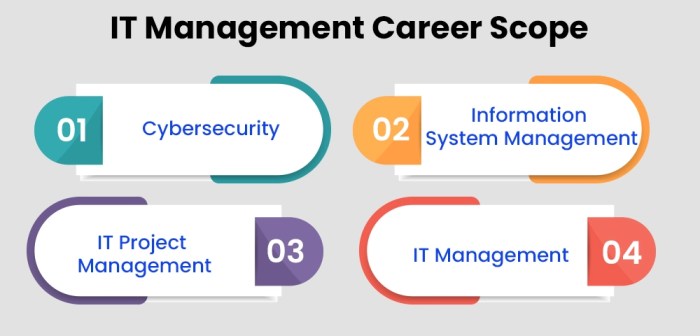
- Cybersecurity: Focuses on protecting company data and IT infrastructure from cyber threats, a growing concern in the digital age.
Criteria for Choosing a Specialization
When selecting a specialization, students should consider their long-term career goals and personal interests. The choice of specialization can significantly impact career trajectories and job satisfaction. Factors to evaluate include:
- Industry Demand: Researching current job market trends can highlight which specializations are in demand, guiding students toward more secure career paths.
- Personal Interests: Aligning specializations with personal passions can lead to greater engagement and fulfillment in one’s career.
- Skill Development: Assessing which skills are sought after in desired job roles can help students choose a specialization that enhances their employability.
“Choosing the right MBA specialization is not just about job prospects; it’s about aligning with your passion and strengths to forge a fulfilling career.”
Benefits of Specialized MBA Programs
Specialized MBA programs provide distinct advantages for professionals looking to deepen their expertise in specific fields. Unlike generalist MBA programs that cover a broad range of topics, specialized MBAs focus on particular industry sectors or functional areas, thus equipping graduates with targeted knowledge and skills that are highly relevant to their chosen career paths. This level of specialization can lead to enhanced job opportunities and career advancement, as employers often seek candidates with specific competencies.Specialized knowledge in a particular field enhances a graduate’s value in the job market.
Companies are increasingly looking for professionals who can hit the ground running with a strong understanding of industry nuances and challenges. For instance, a graduate with an MBA in Healthcare Management is likely to possess a comprehensive understanding of the complexities of healthcare systems, regulations, and policies, making them a desirable candidate for leadership roles within healthcare organizations.
Examples of Successful Professionals with Specialized MBAs
Numerous successful professionals have leveraged their specialized MBAs to excel in their careers. Their achievements highlight the effectiveness of specialized education in making impactful contributions within their fields. Here are a few noteworthy examples:
- Dr. Lisa Su: CEO of AMD, holds an MBA with a specialization in Electrical Engineering. Her technical expertise combined with business acumen has driven the company’s growth and innovation in the semiconductor industry.
- Sheryl Sandberg: Former COO of Facebook, earned her MBA with a specialization in Technology Management. Her background helped shape the company’s strategic direction in the tech landscape.
- Indra Nooyi: Former CEO of PepsiCo, completed her MBA with a specialization in Business Strategy. Her strategic vision transformed PepsiCo into one of the world’s leading food and beverage companies.
These professionals exemplify how specialized MBAs can lead to significant leadership roles in diverse industries, showcasing the value of targeted education.
Comparison of Generalist Versus Specialized MBA Programs
When considering MBA pathways, understanding the differences between generalist and specialized programs is crucial. Generalist MBAs provide a broad overview of business principles, suitable for those aiming for versatility in their careers. However, specialized MBAs delve deeper into specific topics, resulting in distinct advantages for certain career trajectories.The effectiveness of specialized MBA programs can often outshine generalist programs in terms of employability and career advancement.
Here are a few points that illustrate this distinction:
- Depth of Knowledge: Specialized programs offer in-depth coursework related to particular industries, allowing graduates to become experts and thus, more appealing to employers seeking specific skills.
- Networking Opportunities: Specialized MBAs often connect students with industry leaders and professionals, enhancing networking opportunities that can lead to job placements and mentorships.
- Tailored Curriculum: These programs usually provide a curriculum that aligns closely with industry needs, ensuring students acquire relevant skills and insights that are immediately applicable in the workforce.
“Specialization is not a limitation; it’s a pathway to excellence in a chosen field.”
The choice between generalist and specialized MBAs ultimately depends on individual career goals, but the targeted focus of specialized programs often leads to increased opportunities and success in specific sectors.
Factors to Consider When Choosing a Specialization
Choosing an MBA specialization is not just a matter of preference; it involves strategic thinking and awareness of various factors that can influence your career trajectory. As industries evolve and job markets change, understanding these key elements can help you make an informed decision that aligns with both your professional goals and personal interests.
Relevance of Industry Trends in Selecting a Specialization
Staying attuned to industry trends is crucial when selecting an MBA specialization. Industries today are rapidly transforming due to technological advancements, globalization, and shifting consumer behavior. Key trends include:
- Data Analytics: Organizations are increasingly relying on data-driven decision-making. Specializing in analytics equips professionals with the skills to interpret data and drive business strategies.
- Sustainability: With growing concerns about climate change, businesses are prioritizing sustainable practices. This trend has led to increased demand for specializations in environmental management and sustainable business practices.
- Digital Marketing: As online platforms become central to marketing strategies, expertise in digital marketing is highly sought after. Specializing in this area prepares graduates for dynamic roles in a tech-focused business landscape.
Personal Strengths and Interests Influencing Specialization Choice
Personal strengths and interests play a vital role in determining the right specialization for you. Identifying what you are passionate about can lead to a more fulfilling career. Consider the following aspects:
- Strengths: Assess your skills and competencies. If you excel in numbers and analysis, a specialization in finance or analytics may be ideal.
- Interests: Reflect on your interests. If you enjoy creative problem solving, marketing or entrepreneurship might be the best fit.
- Work Experience: Leverage your previous work experience to guide your choice. Experience in a particular industry can provide insights into which specialization aligns with your career aspirations.
Impact of Specialization on Potential Earnings
The choice of specialization can significantly impact your earning potential in the business world. Certain fields command higher salaries due to demand and the specialized skills required.
“According to recent studies, MBA graduates specializing in finance can earn approximately 30% more than their non-specialized counterparts.”
Data shows that specializations such as finance, management consulting, and technology management are among the highest-paying. For instance, finance professionals often start with salaries exceeding $100,000, while those specializing in entrepreneurship might see varied earnings based on the success of their ventures. Understanding the financial implications of your specialization choice can assist in aligning your educational investment with your career goals, ensuring that the path you choose not only fulfills your interests but also supports your desired lifestyle.
Case Studies of Successful MBA Graduates

Source: cloudfront.net
The journey of MBA graduates who have specialized in their fields often results in remarkable success stories. These narratives not only highlight individual achievements but also illustrate the pivotal role that specialization plays in achieving career goals. By examining the experiences of these graduates, we can gain valuable insights into how targeted education and strategic career choices can lead to outstanding professional outcomes.
Transformative Impact of Specialization
Specialization enables MBA graduates to focus their skills and knowledge in specific areas, leading to greater expertise and career advancement. Here are a few notable case studies that exemplify the success that can come from an MBA specialization:
- Sarah Thompson – Marketing Specialist: After earning her MBA with a concentration in Digital Marketing, Sarah leveraged her expertise to secure a position at a leading tech company. She spearheaded a campaign that increased the company’s online sales by 60% within one year. Sarah attributes her success to the cutting-edge strategies and insights she gained during her MBA program, allowing her to stay ahead in the rapidly evolving digital landscape.
- David Chen – Finance Executive: David specialized in Financial Management during his MBA and quickly climbed the corporate ladder at a multinational company. His ability to analyze complex financial data and develop strategic investment plans led to a 30% growth in the company’s portfolio in just two years. David emphasizes that his specialized training equipped him with the analytical skills necessary to make informed decisions and drive financial success.
- Aisha Patel – Healthcare Administrator: Aisha pursued an MBA with a focus on Healthcare Management and has made significant strides in her career. She currently serves as the director of operations at a prestigious hospital, where she implemented new systems that improved patient care efficiency by 25%. Aisha credits her MBA specialization for providing her with a comprehensive understanding of healthcare policies and management techniques crucial for her role.
“Specialization in my MBA program was the turning point that equipped me with the tools to excel in my career,” says Aisha Patel, reflecting on her journey.
These case studies illustrate how MBA graduates can harness their specialized knowledge to drive significant results in their respective industries. By focusing on specific skills and insights gained through their programs, they are able to navigate their careers more effectively and achieve impressive outcomes that set them apart in a competitive job market.
Employer Perspectives on MBA Specializations
In today’s competitive job market, employers are increasingly discerning when it comes to hiring MBA graduates with specializations. They seek individuals who not only possess advanced business acumen but also have focused expertise in specific areas that align with the organization’s goals. This demand for specialization highlights a vital trend in the landscape of business education and workforce requirements.Employers recognize that specialized MBA graduates can offer unique value to their organizations.
Specializations equip graduates with in-depth knowledge and skills that are often tailored to meet the specific demands of various industries or sectors. For instance, a graduate with a specialization in Data Analytics is likely to bring a unique combination of analytical skills and business insight which is critical for making data-driven decisions that can enhance organizational performance.
Employer Considerations for MBA Specializations
When hiring MBA graduates, employers consider several key factors that underscore the importance of specialization. These factors include:
- Alignment with Business Needs: Employers look for candidates whose specializations directly address their operational challenges or strategic objectives. This alignment can significantly enhance the candidate’s attractiveness during the hiring process.
- Enhanced Problem-Solving Skills: Specializations often develop a graduate’s ability to tackle complex problems specific to their field. Employers value candidates who can devise innovative solutions that contribute to the company’s success.
- Adaptability to Industry Trends: MBA programs with specializations often emphasize current industry trends and practices, preparing graduates to navigate the evolving business landscape effectively.
- Network and Connections: Graduates from specialized programs may possess a network of contacts within their field, which can be advantageous for the employer in terms of partnerships, collaborations, and insights into industry standards.
“Employers are increasingly looking for MBA candidates who not only understand business fundamentals but also have specialized skills that can drive innovation and efficiency within their organizations.”
Importance of Industry-Recognized Credentials
Alongside their specialized knowledge, industry-recognized credentials play a crucial role in enhancing the employability of MBA graduates. Such credentials serve as validation of a candidate’s skills and expertise, providing employers with confidence in their abilities. Examples of recognized certifications include Project Management Professional (PMP), Certified Financial Analyst (CFA), and Six Sigma certification.These credentials complement MBA specializations by:
- Increasing Credibility: Having industry-recognized certifications demonstrates a commitment to professional development and a mastery of specific skills, elevating the candidate’s profile.
- Enhancing Skill Sets: Certifications often require additional training and experience, which further enriches the skill set of the MBA graduate, making them more versatile and appealing to employers.
- Facilitating Career Advancement: Credentials can serve as stepping stones for career progression, enabling graduates to pursue higher-level positions within organizations that prioritize expertise and recognized qualifications.
In summary, the perspectives of employers regarding MBA specializations are shaped by the need for candidates who can contribute meaningfully to organizational goals through specialized knowledge and industry-recognized credentials.
Future Trends in MBA Specialization: MBA With Specialization Options
As the business landscape continues to evolve at an unprecedented pace, MBA programs are adapting to meet the needs of a dynamic global economy. The future of MBA specialization will likely be shaped by emerging fields, shifts in global business practices, and the continual evolution of curricula to incorporate new skill sets. Understanding these trends is essential for prospective MBA students aiming to position themselves competitively in the job market.The rise of technology, particularly in areas such as artificial intelligence, data analytics, and sustainability, is driving demand for specialized knowledge in these fields.
MBA programs are beginning to integrate these emerging areas into their specializations, reflecting the skills employers will increasingly seek. Globalization is another key factor influencing MBA specializations. Businesses today operate in a complex international environment that requires a deep understanding of cross-cultural dynamics and global market trends.
Emerging Fields and Skills Influencing Future Specializations
Several emerging fields and skills are anticipated to shape MBA specializations in the coming years. The following areas are gaining traction:
- Data Analytics: With the explosion of data in the digital age, expertise in data analytics is becoming critical. MBAs specializing in data-driven decision-making will be highly sought after.
- Sustainability and Social Impact: As companies face pressure to adopt sustainable practices, MBAs with a focus on corporate social responsibility and sustainability will be pivotal in guiding organizations towards ethical growth.
- Digital Marketing: The shift to online platforms has transformed marketing. MBAs specializing in digital marketing will provide invaluable insights into customer behavior in the digital realm.
- Cybersecurity Management: With the rise in cyber threats, skills in cybersecurity management are essential for protecting organizational data and systems. Specializations in this area are becoming increasingly relevant.
- Entrepreneurship and Innovation: The start-up culture is thriving, with a growing need for innovative business leaders. MBA programs are incorporating entrepreneurial skills into their curricula to foster a new generation of entrepreneurs.
The integration of these specializations not only enhances the versatility of MBA graduates but also aligns educational goals with real-world business needs, ensuring they are prepared for future challenges.
Globalization’s Impact on MBA Programs and Specializations
Globalization has a profound impact on MBA programs, as international business practices and cross-cultural communication become crucial components of the curriculum. The interconnectedness of markets necessitates a global perspective in business education. Here are some ways globalization influences MBA specializations:
- Cross-Cultural Competency: Students are increasingly required to develop skills that enable them to work effectively in diverse teams across borders.
- International Business Strategies: Understanding global market dynamics and international trade regulations is essential for MBA graduates, making international business specializations a priority.
- Global Leadership: Leadership training that emphasizes adaptability and understanding of global contexts is becoming integral to MBA programs, producing leaders equipped for diverse environments.
These aspects underscore the necessity for MBA programs to evolve and prepare graduates to thrive in a global market.
Potential Evolution of MBA Curriculums
The curriculum of MBA programs is on the brink of significant transformation to include new specializations that reflect the current and future business landscape. Some anticipated changes in MBA curricula encompass:
- Integration of Technology Courses: As technology becomes ingrained in all aspects of business, MBA programs will increasingly include courses on AI, machine learning, and blockchain to enhance digital literacy.
- Interdisciplinary Learning: The future of business problems requires multidisciplinary approaches. MBAs may see collaborative courses with technology, environmental science, and design programs.
- Experiential Learning Opportunities: Real-world projects and internships will be emphasized to provide hands-on experience and practical application of knowledge gained through specialized courses.
- Focus on Soft Skills: Skills such as emotional intelligence, negotiation, and conflict resolution will be highlighted, recognizing their importance in effective leadership and management.
This evolution in curricula is designed to ensure that MBA graduates are not only knowledgeable but also equipped with the necessary skills to navigate an increasingly complex and technology-driven business environment.
How to Create a Customized MBA Experience

Source: guidanceforever.org
Crafting a unique MBA experience allows students to align their academic journey with personal and professional goals. This tailored approach not only enhances learning but also maximizes career opportunities post-graduation. Customizing an MBA experience involves selecting relevant courses, engaging in specialized internships, and effectively networking within chosen fields.Creating a personalized MBA pathway can be approached through several methods that focus on aligning coursework, practical experiences, and professional connections with individual ambitions.
This strategic approach empowers students to gain the most relevant knowledge and skills for their desired career paths.
Tailoring Coursework to Career Goals
Choosing the right electives and specialized courses is a critical step in personalizing an MBA experience. By selecting classes that resonate with specific career aspirations, students can deepen their expertise in relevant areas.
Identify Career Aspirations
Start by clearly defining short-term and long-term career goals. This can involve researching desired industries and roles.
Select Relevant Electives
Choose courses that offer skills and knowledge pertinent to your goals. For example, if interested in technology management, focus on courses in data analytics and digital strategy.
Engage with Faculty
Leverage faculty office hours and mentorship opportunities to discuss career aspirations. Faculty can provide insights and guidance on the best course selections.
The Role of Internships and Projects
Internships and real-world projects play a vital role in gaining specialized experience during an MBA program. Engaging in hands-on learning solidifies theoretical concepts and enhances employability.
Choose Relevant Opportunities
Seek internships that align with your specialization. For instance, if focusing on marketing, apply for positions in digital marketing agencies or brand management teams.
Participate in Group Projects
Collaborate with peers on projects that simulate real-world challenges. This teamwork experience can be invaluable, demonstrating your ability to work effectively in diverse environments.
Capstone Projects
Many MBA programs offer capstone projects that allow students to work with companies on real problems. Opt for projects that align with your career aspirations to gain relevant experience.
Networking within Specific Fields of Specialization
Building a professional network is crucial for leveraging an MBA experience into career opportunities. Networking allows students to establish connections with industry professionals, gain mentorship, and uncover job opportunities.
Attend Industry Conferences
Actively participate in conferences related to your specialization. These events often feature speakers from leading companies and offer networking sessions.
Join Professional Associations
Becoming a member of organizations related to your field can provide access to resources, job boards, and networking events.
Leverage Alumni Networks
Utilize the alumni network of your MBA program to connect with graduates in your area of interest. Alumni can provide valuable advice and potentially open doors for job opportunities.
“Networking is not just about connecting people. It’s about connecting people with people, people with ideas, and people with opportunities.”
Creating a customized MBA experience involves strategic planning and proactive engagement with relevant coursework, internships, and networking. This tailored approach not only enhances personal learning but also positions graduates for success in their chosen fields.
Resources for Exploring MBA Specialization Options
Source: amazonaws.com
Researching the right MBA specialization can be a daunting task, but fortunately, numerous resources are available to assist prospective students in making informed decisions. Leveraging these resources can help clarify the many options on the table and guide your choice based on personal career goals and market demand.One of the key ways to explore MBA specialization options is through a variety of online platforms that offer insights into different fields.
These platforms often provide a wealth of information, including career trajectories, industry growth, and detailed breakdowns of various specializations.
Online Resources for Research on MBA Specializations
Utilizing online resources can enhance your understanding of MBA specializations and assist in your decision-making process. Consider the following platforms:
- GradSchoolHub: This site offers comprehensive guides on MBA specializations, detailing curriculum, career options, and salary expectations.
- Poets & Quants: A reputable source for business school news, it features articles and insights from industry professionals regarding trends in MBA specializations.
- LinkedIn Learning: This platform provides courses that cover various business topics, including specialized areas in MBA programs, with insights from industry leaders.
- Coursera: Partnering with renowned universities, Coursera offers courses that allow potential MBA candidates to explore specific areas of interest before committing.
- Business School websites: Many business schools publish detailed information about their specialization programs, including faculty research, alumni success stories, and career support services.
Academic Journals and Publications Covering MBA Trends
Staying updated on the latest academic thoughts and trends in MBA specializations is essential. Various journals and publications provide in-depth analysis and research findings that can guide your understanding of current market dynamics.
- Academy of Management Journal: This journal publishes peer-reviewed studies on management practices and trends, including those relevant to MBA specializations.
- Harvard Business Review: Known for its practical insights, HBR discusses emerging trends and theories in business education and management that can influence specialization choices.
- Journal of Business Research: This publication includes empirical studies and articles that analyze various aspects of business education, including specialization trends.
Workshops and Events for Career Development
Participating in workshops and events focused on career development can provide valuable networking opportunities and insights into different specializations. Here are some notable options:
- Alumni Networking Events: Many business schools organize events where alumni share their experiences and insights on their chosen specializations.
- Industry Conferences: Attending conferences related to specific industries can help you understand the skills and knowledge needed in different MBA specializations.
- Webinars by Business Schools: Many institutions offer online webinars featuring faculty and industry experts discussing specialized topics, trends, and career opportunities.
“The right specialization can significantly impact your career trajectory. Use these resources to explore your options and make an informed decision.”
Final Review
In summary, pursuing an MBA With Specialization Options is not just about obtaining a degree; it’s about strategically positioning yourself for future success. With an array of specializations to choose from and the potential to tailor your educational experience, you can equip yourself with the knowledge and skills that employers seek. As the business landscape continues to evolve, staying abreast of trends and aligning your specialization with your career goals will be key to unlocking new opportunities.
Common Queries
What are the most popular MBA specializations?
Some of the most popular MBA specializations include Marketing, Finance, Operations, and Human Resources.
How can an MBA specialization impact my salary?
Generally, specialized MBA graduates can command higher salaries as they possess targeted skills that are in demand in their respective fields.
Is it better to choose a general MBA or a specialized one?
This depends on your career goals; a specialized MBA may provide deeper knowledge in your area of interest, while a general MBA can offer broader management skills.
How do I know which specialization is right for me?
Consider your personal interests, strengths, and the current trends in the job market to determine the best fit for your career aspirations.
Are there online resources to help me explore MBA specializations?
Yes, there are numerous online platforms, including academic journals and career development websites, that provide insights into various MBA specializations.