MBA Admission Process 2025 Your Guide to Success
MBA Admission Process 2025 is a pivotal topic for aspiring business leaders looking to elevate their careers. Understanding the nuances of the admission process not only helps applicants navigate the complexities involved but also equips them with the knowledge needed to stand out in a competitive landscape. With a clear grasp of timelines, eligibility criteria, and components of the application, candidates can approach their MBA journey with confidence and clarity.
This guide covers everything from entrance exams to financial aid, providing a comprehensive overview of what to expect in the upcoming admission cycle. Whether you’re a recent graduate or a seasoned professional, this information will help you prepare an exceptional application that aligns with your career goals.
Overview of the MBA Admission Process for 2025
Understanding the MBA admission process is crucial for prospective applicants as it lays the groundwork for a successful application experience. A well-structured approach not only demystifies the steps involved but also empowers candidates to craft their applications in alignment with what admissions committees seek. The 2025 MBA admission cycle features a series of key milestones that applicants must navigate in order to secure their place in a competitive program.
The application process typically begins in the early fall of 2024, with deadlines for applications spanning from late 2024 into the spring of 2025. This timeline provides ample opportunity for candidates to gather necessary materials, refine their application narratives, and prepare for interviews.
General Timeline and Key Milestones
The admission process encompasses distinct phases, and being aware of these phases allows candidates to allocate their time effectively. Below are the primary milestones in the 2025 admission cycle, highlighting the importance of adhering to deadlines:
- Application Opens: Early Fall 2024
- Round 1 Deadlines: November 2024
- Round 2 Deadlines: January 2025
- Round 3 Deadlines: March 2025
- Interview Invitations: Rolling basis post-deadlines
- Final Decision Notifications: By May 2025
Each of these steps is critical, as they determine not only the submission of applications but also the timing of interviews and acceptance notifications.
Components of the Admission Process
The components involved in the MBA admission process are designed to evaluate a candidate’s readiness and fit for the program. Understanding these elements can enhance an applicant’s submission quality. The typical components include:
- Online Application Form: A comprehensive document that captures personal information, academic history, and professional experience.
- Essays: Personal essays that provide insight into the applicant’s motivations, goals, and unique perspectives.
- Letters of Recommendation: Typically, two or three recommendations from individuals who can speak to the applicant’s qualifications and character.
- GMAT or GRE Scores: Standardized test scores that help assess the applicant’s analytical and quantitative skills.
- Resume: A detailed overview of the applicant’s academic achievements and work experience.
- Interview: A crucial discussion that allows the admissions committee to evaluate the applicant’s interpersonal skills and fit for the program.
Each component is evaluated collectively to form a holistic view of the candidate, underscoring the importance of thorough preparation and thoughtful presentation of each element.
The MBA admission process is not just about academic excellence; it’s about presenting a compelling narrative that resonates with the values and mission of the business school.
Eligibility Criteria for MBA Admission in 2025
Source: edu.in
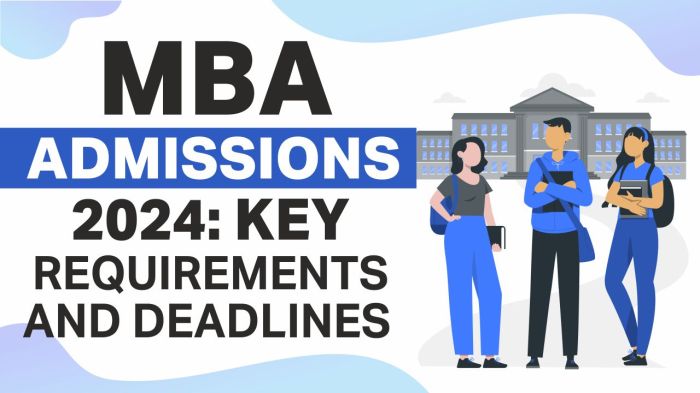
The eligibility criteria for MBA admission in 2025 are designed to ensure that applicants have the necessary foundation to succeed in a rigorous academic environment. These criteria encompass educational qualifications, work experience, and standardized test requirements. Understanding these factors is essential for prospective students aiming to strengthen their applications.The primary educational qualification required for MBA applicants is a bachelor’s degree from an accredited institution.
This degree can be in any field, though candidates with backgrounds in business, economics, or related areas may find certain advantages in their application. Additionally, many programs encourage a strong academic track record, typically looking for a minimum GPA of 3.0 on a 4.0 scale, which reflects the candidate’s capability to handle the academic demands of an MBA program.
Importance of Work Experience in Admission Decisions
Work experience is a critical component of the MBA admission process. Most programs prefer candidates with professional experience, as this exposure contributes significantly to classroom discussions and group projects. Typically, successful applicants have at least two to five years of relevant work experience, which helps demonstrate their maturity, leadership potential, and practical insights into business operations.A candidate’s work history is assessed not just in terms of duration, but also quality and relevance.
The admissions committee pays attention to factors such as job responsibilities, achievements, and career progression. For instance, candidates with leadership roles or those who have made tangible impacts in their organizations tend to stand out.
Prerequisites and Standardized Tests for Admission
Many MBA programs require applicants to submit scores from standardized tests, such as the GMAT or GRE. These tests are designed to evaluate critical thinking, analytical writing, and quantitative skills, which are essential for success in graduate business studies. While some schools have started to waive these requirements for applicants with extensive work experience or advanced degrees, the majority still consider these scores an important aspect of the application.
A competitive GMAT score typically ranges from 600 to 700, though this can vary by institution. Moreover, candidates may benefit from attending preparatory courses or workshops to enhance their test-taking strategies and improve their scores.
“Admissions committees often view standardized test scores as an indicator of a candidate’s ability to succeed in a challenging academic environment.”
Overall, understanding these eligibility criteria will empower applicants to present a strong and compelling application for MBA programs in 2025.
Application Components
The MBA admission process is comprehensive, requiring several key documents and components that allow the admissions committee to evaluate candidates thoroughly. Each part of the application plays a crucial role in presenting a holistic view of the applicant, showcasing not only their academic qualifications but also their personal attributes and professional background. Below, we delve into the necessary components of the application and their respective significance.
Necessary Documents for Application Submission
To ensure a complete application, candidates must submit various documents that reflect their academic and professional journey. The following list Artikels the essential components required for submission:
- Application Form: A completed application form that provides basic personal information and details about academic history.
- Transcripts: Official academic transcripts from all post-secondary institutions attended, indicating grades and coursework.
- GMAT/GRE Scores: Valid standardized test scores that assess quantitative and verbal skills, essential for evaluating academic readiness.
- Resume/CV: A current resume highlighting relevant work experience, skills, and any extracurricular activities that demonstrate leadership and commitment.
- Personal Statement or Essay: A crucial narrative that allows candidates to express their motivations, goals, and what they can contribute to the program.
- Letters of Recommendation: Recommendations from professional contacts or professors who can attest to the applicant’s abilities and potential.
- Application Fee: A non-refundable fee that accompanies the application submission.
Importance of the Personal Statement or Essay
The personal statement or essay is a pivotal element of the MBA application. It serves as a platform for candidates to articulate their unique perspectives, experiences, and aspirations in their own voice. This narrative allows the admissions committee to gauge the candidate’s personality, values, and fit within the program. A well-crafted personal statement should address specific themes, such as career goals, motivation for pursuing an MBA, and how the program aligns with the applicant’s future plans.
It provides an opportunity to highlight achievements that may not be evident in the resume or transcripts. An impactful essay can differentiate candidates in a competitive applicant pool, making it essential to invest time in creating a thoughtful and authentic representation of oneself.
Structure and Elements of Letters of Recommendation
Letters of recommendation are vital in providing an external evaluation of the applicant’s capabilities and character. These letters should be structured to include several key elements that offer insight into the candidate’s professional and academic qualifications.A typical recommendation letter should encompass the following points:
- Relationship with the Applicant: The recommender should describe their relationship with the candidate, including how long they have known them and in what capacity (e.g., supervisor, professor).
- Professional and Academic Strengths: Specific examples showcasing the applicant’s skills, accomplishments, and contributions during their time working or studying together.
- Character Traits: Insights into the applicant’s personal qualities, such as leadership, teamwork, and resilience, along with instances demonstrating these traits.
- Comparison to Peers: An evaluation of how the candidate stands out compared to peers, providing context for the recommendation.
- Overall Endorsement: A clear statement of endorsement, summarizing why the recommender believes the applicant would be a strong candidate for the MBA program.
Entrance Exams for MBA
Preparing for an MBA often begins with taking the right entrance exam. In 2025, business schools continue to accept a variety of entrance exams, each designed to evaluate different aspects of a candidate’s academic readiness. Understanding which exams are accepted and how to best prepare for them can significantly impact your application success.Multiple entrance exams are recognized by business schools, catering to a range of assessment preferences.
The most prominent among these are the GMAT (Graduate Management Admission Test) and the GRE (Graduate Record Examination). Both exams serve as essential components of the admission process, but they do have distinct differences that applicants should be aware of.
Accepted Entrance Exams
Business schools in 2025 are accepting several entrance exams. The following list highlights the most widely recognized tests:
- GMAT (Graduate Management Admission Test)
- GRE (Graduate Record Examination)
- CAT (Common Admission Test)
- XAT (Xavier Aptitude Test)
- CMAT (Common Management Admission Test)
- NMAT (NMIMS Management Aptitude Test)
Each of these exams has unique features and is recognized by various institutions worldwide, providing multiple pathways for prospective MBA candidates.
Comparison of GMAT and GRE
When choosing between the GMAT and GRE, it is crucial to consider their formats, scoring systems, and preferences of different business schools. The GMAT is specifically tailored for business school candidates, consisting of four sections: Analytical Writing, Integrated Reasoning, Quantitative, and Verbal. The total scale ranges from 200 to 800, with many top business schools typically looking for scores above 700.
The GRE, on the other hand, includes sections on Verbal Reasoning, Quantitative Reasoning, and Analytical Writing, with scores ranging from 260 to 340. Schools have increasingly accepted GRE scores, especially for candidates from non-traditional backgrounds or those applying to interdisciplinary programs.
| Aspect | GMAT | GRE |
|---|---|---|
| Focus | Business | General |
| Sections | 4 (Analytical Writing, Integrated Reasoning, Quantitative, Verbal) | 3 (Verbal, Quantitative, Analytical Writing) |
| Score Range | 200 – 800 | 260 – 340 |
| Preferred by | Most Business Schools | Increased Acceptance in Business Schools |
Different schools may have preferences for one exam over the other, so it’s advisable to research specific programs to determine which test aligns best with their admission criteria.
Effective Preparation Strategies
Preparing for either the GMAT or GRE requires a structured approach. Here are some effective strategies to enhance your readiness:
1. Early Start
Begin studying at least three to six months in advance to allow ample time for content mastery and practice.
2. Practice Tests
Regularly take full-length practice exams under timed conditions to get accustomed to the exam’s format and pacing.
3. Identify Weaknesses
After practice tests, analyze your performance to identify weak areas that need focused improvement.
4. Study Resources
Utilize various study materials, including prep courses, online resources, and official guidebooks. These resources often offer practice questions and sections focused on test strategies.
5. Join Study Groups
Collaborating with peers can provide motivation and insights that enhance your understanding of challenging concepts.
6. Time Management
Develop a study schedule that allocates time for each section of the exam while ensuring that you’re covering all necessary topics.By implementing these strategies, candidates can boost their confidence and performance on the day of the exam, setting a solid foundation for their MBA application journey.
Interview Process: MBA Admission Process 2025
The MBA interview process is a crucial step in the admissions journey, providing candidates with an opportunity to showcase their fit for the program. It typically involves a structured approach where applicants interact with admissions committee members, allowing them to assess the applicant’s motivations, experiences, and potential contributions to the MBA cohort. Understanding the nuances of this process can significantly enhance an applicant’s chances of success.The interview process often consists of several key steps that candidates should be aware of.
Knowing what to expect will help in preparing effectively and confidently.
Steps in the MBA Interview Process
The MBA interview process generally follows a sequence of defined steps. Familiarity with each stage can ease anxiety and ensure thorough preparation. Here are the typical steps involved:
- Scheduling the Interview: Once the application is submitted and reviewed, candidates are typically contacted to schedule an interview. This can be conducted in person, over the phone, or via video conferencing.
- Preparation: Candidates should research the program, reflect on their experiences, and practice common interview questions. This step is crucial to articulate one’s thoughts clearly during the interview.
- The Interview: During the interview, committee members will ask a series of questions aimed at understanding the candidate’s background, aspirations, and fit for the program. This is also an opportunity for candidates to ask questions about the program.
- Follow-Up: After the interview, candidates often send a thank-you email expressing gratitude for the opportunity and reiterating their interest in the program. This can leave a positive impression.
Preparation Tips for MBA Interviews
Effective preparation is essential for a successful MBA interview. Candidates can enhance their performance by following these tips:
- Research the Program: Familiarize yourself with the program’s values, curriculum, and faculty. Understanding what makes the program unique can help tailor your responses.
- Practice Mock Interviews: Conducting mock interviews with friends, mentors, or career coaches can help build confidence and improve communication skills.
- Reflect on Personal Experiences: Candidates should be ready to discuss their professional journey, challenges faced, and key achievements that demonstrate leadership and teamwork.
- Prepare Questions: Having insightful questions prepared shows genuine interest in the program and can make a positive impression on the interviewers.
Common Interview Questions and Approaches
Understanding common interview questions and formulating effective responses is vital for success. Candidates may encounter the following questions:
- Tell me about yourself: This is often an icebreaker; candidates should frame their answer to highlight their background, experiences, and how these relate to their MBA aspirations.
- Why do you want to pursue an MBA? This question assesses motivation. Candidates should focus on personal and professional goals and how the MBA will help achieve them.
- Describe a challenging situation you faced: This question evaluates problem-solving skills. Candidates should use the STAR method (Situation, Task, Action, Result) to structure their answers.
- What are your short and long-term career goals? Candidates should Artikel clear, realistic goals and how the MBA aligns with them.
“Preparation is the key to success. The more you prepare, the more confident you will feel during the interview.”
Financial Aid and Scholarships
Pursuing an MBA can be a significant financial investment, and understanding the various types of financial aid and scholarships available is crucial for aspiring students. In 2025, candidates have a variety of options to help mitigate the costs associated with their education, ensuring that a quality MBA program is accessible to a broader range of individuals.Financial aid for MBA candidates typically includes federal loans, private loans, grants, assistantships, and scholarships.
Each of these options has specific eligibility requirements and application processes that vary by institution. By exploring these avenues, students can find the right combination of financial support tailored to their needs.
Types of Financial Aid Available
There are multiple forms of financial assistance for MBA candidates, each designed to ease the burden of tuition and associated costs. Understanding these options is essential for effective financial planning.
- Federal Student Loans: These loans are provided by the government and typically offer lower interest rates and favorable repayment terms. Students must complete the Free Application for Federal Student Aid (FAFSA) to determine eligibility.
- Private Loans: Banks and private lenders offer loans with various terms. It’s important to compare rates and conditions to find the best fit.
- Grants: Unlike loans, grants do not require repayment. They are often awarded based on financial need and are available through federal and state programs.
- Assistantships: Many MBA programs offer teaching or research assistantships, which provide a stipend or tuition waiver in exchange for work within the program.
- Scholarships: These are awarded based on merit, need, or specific criteria, and they do not require repayment, making them highly sought after by students.
Scholarship Application Process and Eligibility Requirements
Applying for scholarships can significantly reduce the financial burden of an MBA program. Each scholarship will have its own set of requirements, and being aware of these can enhance the chances of securing funding.The scholarship application process generally involves the following steps:
1. Research Available Scholarships
Many universities and external organizations offer scholarships specifically for MBA candidates. It is advisable to start searching well in advance.
2. Prepare Application Materials
Common requirements include a resume, personal statement, letters of recommendation, and transcripts. Tailoring these documents to highlight relevant experiences and achievements is essential.
3. Submit Applications on Time
Adhering to deadlines is crucial as late submissions are often not considered.Eligibility requirements may include academic performance, professional experience, and specific demographic criteria. Candidates should ensure they meet all conditions before applying to increase their chances of selection.
Creating a Budget for MBA Expenses
Effective budgeting is vital for managing finances while pursuing an MBA. Understanding the costs involved and planning accordingly can help students navigate their financial responsibilities.Developing a comprehensive budget should include the following components:
Tuition Fees
Research and factor in both in-state and out-of-state tuition costs.
Living Expenses
Consider rent, food, transportation, and other personal expenses that will be incurred during the program.
Books and Supplies
Allocate funds for textbooks, software, and other required materials.
Exam Fees
If taking entrance exams like the GMAT or GRE, include registration fees in the budget.
Miscellaneous Costs
Account for potential expenses like travel for internships or job interviews.By creating a budget that reflects these categories, students can gain better control over their finances and make informed decisions about their spending, helping to ensure a successful MBA experience.
“Budgeting isn’t about limiting yourself – it’s about making the things that excite you possible.”
Important Dates and Deadlines
As you embark on your journey towards an MBA, it’s crucial to stay organized and aware of important dates and deadlines during the admission process. Missing a deadline can have significant repercussions on your application, so an effective timeline can be your best ally. This section breaks down the critical deadlines associated with MBA admissions, entrance exams, and financial aid applications to help you plan effectively.
Application Deadlines for Business Schools
Each business school has its own set of deadlines for applications, typically categorized into rounds. Understanding these can help you strategically plan your submissions.
- Round 1: Generally falls between September and early October. Ideal for candidates seeking maximum scholarship options.
- Round 2: Usually occurs between January and early February. Good for those who need extra time to improve their application.
- Round 3: Often in March or early April. Limited scholarship opportunities, but still a viable option for strong candidates.
Entrance Exam Registration and Preparation Timeline
Registering for entrance exams like the GMAT or GRE is a vital step in your MBA journey. Here’s a suggested timeline for registration and preparation to ensure you’re ready on test day.
- 6 months prior: Begin researching the schools and their entrance exam requirements.
- 4 months prior: Register for your chosen entrance exam. Check for available slots and locations.
- 3 months prior: Start a focused study schedule. Consider enrolling in a prep course if needed.
- 1 month prior: Take a full-length practice test, review your weak areas, and adjust your study plan accordingly.
- Test Day: Ensure you have all necessary materials ready—ID, confirmation email, and any required supplies.
Financial Aid Applications and Scholarships Timeline
Navigating financial aid and scholarship applications is an essential part of the MBA admissions process. Here’s a timeline to help you stay on track.
- Start of the application cycle: Research available scholarships and financial aid options early.
- 3 months before application deadlines: Prepare required documentation, such as tax returns and income statements.
- 2 months before application deadlines: Complete and submit financial aid applications like the FAFSA or institution-specific forms.
- 1 month after submission: Follow up with the financial aid office to confirm receipt of your application and clarify any questions.
- Post-admission: Review financial aid offers and scholarship awards as they are communicated by the schools.
Tips for a Strong Application

Source: careermantra.net
Creating a compelling MBA application is essential for standing out in a competitive pool of candidates. A well-crafted personal statement, strong letters of recommendation, and the effective highlighting of unique experiences can significantly enhance your chances of admission. Here are some strategies to strengthen your application and make it truly impressive.
Crafting a Compelling Personal Statement
The personal statement is your opportunity to showcase your personality, aspirations, and motivations. It should provide insight into who you are beyond your academic and professional achievements. To craft an effective personal statement, consider the following strategies:
- Be Authentic: Write in your own voice and be genuine about your experiences and motivations. Admissions committees can often spot insincerity.
- Tell a Story: Use storytelling techniques to engage the reader. Share a specific experience that shaped your career goals and personal growth.
- Focus on Future Goals: Clearly articulate your career aspirations and how the MBA program aligns with them. This demonstrates that you have thought critically about your future.
- Revise and Edit: Review your statement multiple times and consider seeking feedback from mentors or peers. Clear and concise writing is key.
Selecting Appropriate Recommenders
Choosing the right recommenders is crucial as their insights can significantly influence your application’s perception. It is important to communicate your goals and expectations to them effectively. Here are some considerations:
- Choose Wisely: Select recommenders who know you well and can speak to your strengths and potential. Ideally, they should be familiar with your work ethic and accomplishments.
- Communicate Clearly: Discuss your reasons for pursuing an MBA and your career goals with your recommenders. Provide them with context to help them write a more tailored recommendation.
- Provide Supporting Materials: Share your resume, personal statement, and any specific points you would like them to address. This can help your recommenders write a more comprehensive recommendation.
Highlighting Unique Experiences and Achievements
Your unique experiences can set you apart from other applicants, and it’s crucial to present them effectively. When highlighting your experiences and achievements, consider the following:
- Focus on Impact: Instead of merely listing achievements, explain how your actions made a difference. Use metrics or specific examples to quantify your contributions.
- Connect to MBA Goals: Relate your experiences to the skills and knowledge you wish to gain from the MBA program. This shows that you understand the value of your past experiences.
- Diversity of Experience: Highlight varied experiences, whether they come from professional, academic, or personal settings. Show how these experiences have shaped your perspective.
“Your application should narrate a story of growth, aspirations, and the unique journey that brought you to this point.”
Trends in MBA Admissions for 2025

Source: squarespace-cdn.com
As we look ahead to the MBA admissions landscape for 2025, several key trends have emerged that prospective applicants should keep in mind. The evolving business environment, influenced by recent global events, has shifted the expectations and qualifications that admissions committees prioritize. Understanding these trends will equip candidates with the knowledge needed to navigate the complex admissions process successfully.The impact of recent global events, including the pandemic and economic fluctuations, has significantly altered candidate expectations and the overall admissions landscape.
Many business schools are adapting to these changes by re-evaluating their criteria and processes. This has created a more dynamic environment where flexibility, innovation, and resilience are highly valued in applicants.
Emerging Trends in MBA Admissions, MBA Admission Process 2025
Business schools are increasingly focusing on a variety of emerging trends that shape their admissions processes for 2025. These trends reflect the current societal needs and the expectations of prospective students.
- Greater Emphasis on Remote Learning: The shift towards online education has prompted schools to integrate digital competencies into their programs. Applicants are expected to demonstrate adaptability and proficiency in digital tools and platforms.
- Holistic Review Processes: Admissions committees are moving towards a more holistic approach, considering not only academic qualifications but also professional experiences, personal essays, and recommendation letters to gauge a candidate’s potential for success.
- Focus on Health and Wellness: Given the mental health challenges exacerbated by global events, there is a growing focus on candidates’ resilience and wellness initiatives. Schools are looking for individuals who can balance academic rigor with personal well-being.
- Increased Use of Technology in Admissions: Schools are adopting advanced analytics and AI-driven tools to streamline the admissions process, analyze candidate data, and enhance decision-making.
- Demand for Skills Over Degrees: Many programs are prioritizing specific skills over traditional academic achievements, responding to employer demands for graduates who can immediately contribute to their organizations.
Diversity and Inclusion in Admissions
The importance of diversity and inclusion has taken center stage in the MBA admissions process for 2025. Schools are recognizing that a diverse cohort enriches the learning environment and prepares students for a global marketplace. To foster diversity, many MBA programs are implementing targeted outreach strategies to attract underrepresented groups. This includes partnerships with community organizations and initiatives aimed at increasing access to business education.
“A diverse and inclusive cohort leads to enhanced creativity and innovation, essential in today’s interconnected business world.”
Additionally, admissions committees are emphasizing the need for candidates to showcase their commitment to diversity through their previous experiences and future goals. This includes engagement in community service, leadership in diversity initiatives, or personal journeys that highlight a commitment to inclusive practices.As the MBA admissions landscape continues to evolve, staying informed about these trends will be critical for applicants. Embracing the changing dynamics and demonstrating alignment with the values of business schools will help candidates stand out in a competitive field.
Concluding Remarks
In summary, the MBA Admission Process 2025 holds immense opportunities for those ready to invest in their future. By leveraging the insights shared in this guide, candidates can enhance their applications and increase their chances of acceptance into renowned business schools. As the landscape of MBA admissions continues to evolve, staying informed about trends and best practices will be key to achieving success.
Top FAQs
What is the typical timeline for the MBA admission process?
The timeline generally includes application openings in early fall, submission deadlines in late winter, and interviews in spring, with classes starting in the fall.
Are online MBA programs accepted for admission?
Yes, many business schools accept online MBA programs, but it’s essential to verify the specific requirements of each institution.
How can I improve my chances of getting a scholarship?
To enhance your scholarship prospects, focus on maintaining a strong academic record, crafting a compelling personal statement, and highlighting unique experiences in your application.
What should I include in my personal statement?
Your personal statement should reflect your professional journey, motivations for pursuing an MBA, and how the program aligns with your career goals.
Do I need to take the GMAT if my GPA is high?
While a high GPA can strengthen your application, many schools still require standardized test scores like the GMAT or GRE, so check your target programs for specific requirements.