MBA Application Essay Samples for Successful Applications
MBA Application Essay Samples unveil the art of crafting compelling narratives that capture the attention of admissions committees. These essays are not just a formality; they serve as a critical element in the selection process, allowing applicants to present their unique stories and aspirations. Understanding the importance of these essays can significantly impact an applicant’s chances of acceptance into prestigious MBA programs.
With a focus on key components, effective strategies, and common pitfalls, this guide provides insights into what makes a standout MBA application essay. From personal branding to tailoring content for specific programs, the ability to weave personal and professional experiences into a cohesive narrative is essential for success.
Importance of MBA Application Essays
MBA application essays play a critical role in the admissions process, serving as a platform for candidates to showcase their personality, goals, and motivations beyond academic transcripts and test scores. These essays enable applicants to present their unique experiences and aspirations, helping admission committees to gain a holistic view of each candidate. In a competitive landscape where many candidates possess similar academic qualifications, the essay can be a deciding factor that sets one applicant apart from another.The significance of MBA application essays lies in their ability to convey a candidate’s voice and vision.
They allow for personal storytelling, which can resonate with admission committees on an emotional level. It’s vital to recognize that these essays are not just an additional requirement; they are a vital component of the evaluation process that can heavily influence decision-making.
Common Misconceptions about MBA Application Essays
Several misconceptions about MBA application essays can lead candidates to overlook their importance. One prevalent myth is that essays are merely an afterthought in the application process. In reality, essays are often scrutinized closely by admissions teams, sometimes more than test scores or GPAs. Understanding this misconception is crucial for applicants who may underestimate the effort required to craft an impactful essay.Another misconception is the belief that there is a “right” way to write an MBA essay.
Each essay should reflect the individual applicant’s voice and perspective. While there are guidelines to follow, such as answering the prompt directly and adhering to word limits, the unique expression of one’s personal and professional journey is what truly resonates. Authenticity is key; cookie-cutter approaches can come off as insincere and fail to engage the reader.Admissions committees leverage essays to uncover insights about candidates that statistics alone cannot provide.
They seek to understand candidates’ motivations, leadership potential, and how they fit within a diverse cohort. Well-written essays can reveal important attributes, such as resilience, creativity, and a commitment to lifelong learning.
The ability to articulate one’s story effectively can be as crucial as academic performance in the admissions decision.
Ultimately, MBA application essays are an opportunity for candidates to differentiate themselves. They can illustrate how past experiences have shaped their professional outlook and highlight future aspirations. This narrative can significantly influence the perception of an applicant’s suitability for a program, making it essential to invest time and care into crafting compelling essays.
Key Components of an MBA Application Essay
Crafting a compelling MBA application essay is crucial for your journey towards business school. This essay serves as a window into your personality, aspirations, and professional experiences. It’s your opportunity to present yourself beyond grades and test scores, showcasing what truly makes you a fit for the program. A successful MBA application essay incorporates several key components that align your personal narrative with the values and expectations of the business school.
These elements not only enrich your essay but also create a cohesive story that resonates with the admissions committee.
Essential Elements of an MBA Application Essay
When writing your essay, consider including the following essential components that can make your application stand out:
- Personal Background: Introduce your background by sharing experiences that have shaped who you are today. This may include your upbringing, education, and any challenges you faced along the way.
- Career Goals: Clearly articulate your short-term and long-term professional aspirations. Explain how an MBA will help you achieve these goals and why this particular program is the right fit for you.
- Leadership Experiences: Highlight specific instances where you demonstrated leadership skills, whether in your professional environment, community service, or academic settings. Discuss the impact of these experiences on your personal growth.
- Unique Contributions: Identify what unique perspectives or skills you bring to the cohort. This could include diverse cultural experiences, specialized knowledge in your field, or particular talents.
- Program Fit: Research the business school thoroughly and mention specific elements of the program (such as faculty, courses, or extracurricular activities) that appeal to you. Make a connection between these offerings and your career ambitions.
Importance of Storytelling in the Essay
Incorporating storytelling into your MBA application essay is not just a stylistic choice; it’s a powerful tool that can significantly impact how your message is received. By weaving your experiences into a narrative, you create a more engaging and memorable account of your journey.A well-told story can highlight your achievements, struggles, and transformations in a relatable way. It allows the admissions committee to understand not only what you’ve done but also who you are as a person.
Authenticity in your storytelling enhances your credibility and fosters a connection between you and the reader.
“The stories we tell ourselves shape our identities and influence our actions.”
For instance, instead of merely stating that you led a project team that increased revenue, narrate the challenges you faced, the steps you took, and the lessons learned. Describe a pivotal moment that defined your leadership style or a time when you had to navigate a complex team dynamic. By presenting these experiences with a personal touch, you provide insights into your character and decision-making processes.
Communicating Personal and Professional Experiences
Effectively communicating personal and professional experiences in your MBA application essay is crucial for making a lasting impression. Here are some strategies to showcase your experiences compellingly:
- Use Specific Examples: Instead of general statements, provide detailed examples that illustrate your skills and achievements. For example, if you mention teamwork, describe a specific project where collaboration led to success.
- Show Growth and Reflection: Discuss not only what you achieved but also how those experiences impacted your growth. Reflect on what you learned and how it has shaped your aspirations.
- Maintain Focus: Keep the narrative aligned with your overall message. Every experience shared should support your goals and the qualities you want to emphasize.
- Be Authentic: Authenticity resonates with readers. Share your real motivations and emotions, making your story relatable and genuine.
- Engage the Reader: Use active language and vivid descriptions to draw the reader into your story. Make them feel the challenges you overcame and the triumphs you celebrated.
Strategies for Writing Effective MBA Application Essays
Crafting a compelling MBA application essay is a critical step in the admissions process. It allows applicants to showcase their unique qualities, professional experiences, and aspirations in a way that transcends numbers or grades. To create an engaging and persuasive essay, it is essential to follow a structured approach that involves brainstorming ideas, organizing content clearly, and maintaining a genuine voice.
Brainstorming Ideas for Essays
The brainstorming phase is vital for generating ideas that reflect your personal journey and career goals. Consider these steps to guide your thought process:
- Reflect on Experiences: Think about significant milestones in your life, such as academic achievements, professional challenges, or personal growth moments. These instances can provide a rich foundation for your essay.
- Identify Core Themes: Pinpoint the themes that resonate with your experiences, such as leadership, resilience, or innovation. A clear theme helps create a focused narrative.
- Gather Feedback: Discuss your ideas with trusted friends, mentors, or colleagues. Their insights can help clarify your thoughts and identify unique angles.
- Free Write: Spend a set amount of time writing freely about your experiences and aspirations. This technique can unveil unexpected ideas and connections.
Structuring the Essay for Clarity and Impact
A well-structured essay enhances readability and ensures that your message comes across effectively. Here is a guide to structuring your essay:
- Introduction: Begin with an engaging hook that captures the reader’s attention. State your main thesis or theme clearly to set the tone.
- Body Paragraphs: Divide the body into paragraphs that each convey a specific point or story. Use topic sentences to introduce each paragraph and support them with relevant examples or anecdotes.
- Transitions: Ensure smooth transitions between paragraphs to maintain a cohesive flow. This can be achieved by linking ideas or referring back to previous points.
- Conclusion: Summarize your main arguments and reinforce your thesis. Leave the reader with a strong impression of your goals and motivations.
Maintaining Authenticity and Personal Voice in Writing
Authenticity is key to resonating with the admissions committee. Here are techniques to ensure your personal voice shines through:
- Be Honest: Share your true experiences, feelings, and thoughts. Authenticity builds trust and connection with the reader.
- Use Your Natural Tone: Write in a style that feels comfortable and genuine to you. Avoid overly formal language that doesn’t reflect who you are.
- Incorporate Personal Anecdotes: Use stories from your life to illustrate your points. Personal anecdotes make your essay relatable and memorable.
- Revise for Clarity: After drafting your essay, revisit it to refine your voice and clarity. Ensure that your personality comes through in every section.
“The best essays feel like a conversation, where your voice shines through and your story unfolds naturally.”
Common Mistakes to Avoid in MBA Application Essays: MBA Application Essay Samples
Writing an effective MBA application essay is a crucial step in the admissions process. Numerous applicants, however, fall prey to common pitfalls that can undermine their chances of acceptance. Recognizing and avoiding these mistakes is essential to presenting a compelling narrative that truly reflects your strengths and aspirations.One significant error applicants often make is failing to adhere to the specific prompts and guidelines provided by the business school.
This oversight can lead to essays that seem unfocused or irrelevant, which can leave admissions committees questioning the applicant’s ability to follow directions. Additionally, many applicants underestimate the power of personal storytelling. Essays that lack a personal touch or rely too heavily on generic statements can come off as impersonal, making it challenging for the committee to connect with the applicant’s unique experiences and motivations.
Frequent Errors in MBA Application Essays
Understanding the common mistakes that can detract from the quality of your essay is key to crafting a successful application. The following points highlight frequent errors and their potential consequences:
- Overly Generic Content: Essays that contain clichés or vague statements often fail to leave a lasting impression. Being specific about your experiences and insights adds depth to your narrative.
- Ignoring the Prompt: Not addressing the essay prompt directly can signal a lack of attention to detail. Tailoring your response to each school’s specific requirements demonstrates your genuine interest.
- Poor Structure and Organization: Disorganized essays can confuse the reader and obscure your main points. A clear structure helps guide the reader through your narrative smoothly.
- Excessive Wordiness: Lengthy essays filled with superfluous information can dilute your message. Being concise and purposeful with your words keeps the reader engaged.
- Neglecting Proofreading: Spelling and grammatical errors can detract from the professionalism of your essay. Taking the time to proofread demonstrates a commitment to quality and attention to detail.
Strategies for Reviewing and Revising Essays
Implementing effective strategies for reviewing and revising your essays can greatly enhance their quality and impact. It is essential to approach the revision process with a critical eye and an open mind. Here are some strategies to consider:
- Take a Break: After drafting your essay, step away for a day or two. This distance allows you to return with a fresh perspective, making it easier to spot weaknesses and areas for improvement.
- Seek Feedback: Sharing your essay with trusted peers or mentors can provide valuable insights. Others may identify issues you’ve overlooked and suggest enhancements.
- Read Aloud: Hearing your essay can highlight awkward phrasing and unclear sentences. Reading it aloud can also help you gauge the overall flow of your narrative.
- Checklist for Common Errors: Create a checklist of common mistakes based on the previous points and systematically review your essay to ensure each aspect has been addressed.
“A well-crafted MBA essay not only showcases your qualifications but also reflects your personality and aspirations.”
Analyzing Successful MBA Application Essay Samples
Successful MBA application essays often serve as the deciding factor in the admissions process, demonstrating not only the applicant’s qualifications but also their unique voice and perspective. Analyzing these essays helps prospective students understand what resonates with admissions committees and what makes an application compelling. By reviewing successful examples, applicants can glean insights into effective writing styles, personal storytelling, and the demonstration of leadership and ambition.Examining successful essays reveals a variety of techniques and styles that set them apart.
These essays often feature personal anecdotes, clear articulation of goals, and a strong sense of self-awareness. They are not merely lists of achievements but rather narratives that connect the applicant’s past experiences with their future aspirations. To provide clarity, below are specific examples of successful essays, highlighting their distinctive features.
Examples of Successful Essays
The following examples showcase different approaches that have proven effective in securing admissions.
Personal Journey Example
This essay focuses on a significant personal experience that shaped the applicant’s career aspirations. For instance, a student might recount overcoming a challenge, such as managing a family business during a difficult economic period.
Standout Feature
The essay connects personal adversity with professional growth, showcasing resilience and adaptability.
Professional Transformation Example
An applicant might describe a pivotal moment at work, such as leading a project that transformed a failing team into a high-performing unit.
Standout Feature
It emphasizes leadership skills, teamwork, and the ability to drive change, which are highly valued in MBA programs.
Vision for the Future Example
In this type of essay, the applicant details their long-term career goals, explaining how the MBA program fits into their vision.
Standout Feature
A clear connection between personal goals and the MBA’s offerings demonstrates foresight and intentionality in their career path.To compare these different styles, the following table summarizes their approaches and effectiveness:
| Essay Type | Key Features | Effectiveness |
|---|---|---|
| Personal Journey | Personal anecdotes, emotional resonance, and self-discovery | High – connects with reader on a personal level |
| Professional Transformation | Leadership examples, results-driven, and teamwork focus | High – demonstrates relevant skills and capability |
| Vision for the Future | Clear goals, alignment with MBA program, and strategic intent | High – shows foresight and purpose in career planning |
Each successful MBA application essay uses a distinctive strategy that aligns with the applicant’s experiences and ambitions. The ability to narrate personal stories while demonstrating skills and clear goals is what ultimately makes these essays stand out in the competitive admissions process.
“Effective MBA essays are not just a reflection of your accomplishments, but also a window into your character.”
Tailoring Your MBA Essay to Specific Programs
Crafting a compelling MBA application essay requires a tailored approach that resonates with the specific values, culture, and goals of each program. Researching and aligning your personal aspirations with the distinct characteristics of the program not only enhances the quality of your essay but also demonstrates your genuine interest and fit for the institution.To effectively tailor your essays, it’s crucial to conduct thorough research on the MBA programs you are applying to.
This means going beyond the surface-level information typically found on school websites. Engaging with alumni, attending virtual information sessions, and participating in campus visits (if feasible) can provide you with invaluable insights into the program’s ethos.
Researching MBA Programs
Understanding the nuances of each MBA program is essential for tailoring your essays. Here are several strategies to facilitate this process:
- Explore Program Curriculum: Familiarize yourself with the core courses and electives offered. Highlight how specific classes align with your career goals and interests.
- Analyze Faculty Expertise: Research faculty members’ backgrounds and areas of research. Mention how their expertise aligns with your aspirations, demonstrating your enthusiasm for learning from them.
- Identify Unique Features: Look for unique aspects like special programs, partnerships, or initiatives. Discuss how these features resonate with your personal and professional objectives.
- Connect with Current Students: Reach out to current students or alumni through networking platforms. Their firsthand experiences can shed light on the program’s culture and environment.
- Review School Values and Mission: Examine the school’s mission statement and core values. Reflect on how these principles align with your personal values and professional goals.
Demonstrating a clear understanding of these elements in your essay will illustrate your commitment to the program and highlight your potential contribution to the school’s community.
Aligning Personal Goals with Program Values
Aligning your personal goals with the values of the MBA program is critical in creating a compelling narrative. Here are some guidelines to achieve this alignment:
- Define Your Career Aspirations: Clearly articulate your short-term and long-term career goals. Explain how these goals are a natural extension of your past experiences and current motivations.
- Identify Shared Values: Reflect on your values and compare them with the program’s. Highlight areas of overlap and explain why these shared values are significant to you.
- Use Specific Examples: Incorporate personal anecdotes that demonstrate your commitment to these goals and values. This adds authenticity to your narrative and makes your application memorable.
- Illustrate Impact: Discuss how the program will help you achieve your goals and how you plan to contribute to the program’s community and values.
This alignment not only strengthens your essay but also shows the admissions committee that you are serious about integrating into their program.
Showcasing Fit with School Culture and Mission
It’s vital to showcase how your background, experiences, and personality fit with the school’s culture and mission. To do this effectively:
- Research School Culture: Understand the school’s culture through student testimonials and campus involvement opportunities. Reflect on how your personality and background can thrive in that environment.
- Participate in Networking Events: Engage in events or forums hosted by the school to gain insights into the community dynamics. Use these experiences to inform your essay about how you can contribute to the community.
- Commit to Community Involvement: Express a desire to engage in clubs, events, or initiatives that resonate with you. This demonstrates your intention to be an active member of the school community.
- Reflect on Diversity and Inclusion: Share experiences that illustrate your appreciation for diversity and how you can contribute to creating an inclusive environment.
By demonstrating alignment with the school’s culture and mission, you present yourself as a candidate who will not only benefit from the program but also enhance it. Tailoring your MBA essay is an opportunity to create a narrative that resonates deeply with admissions committees, setting you apart in a competitive landscape.
Personal Branding in MBA Application Essays
Source: expert-editing.org
In an increasingly competitive landscape of MBA admissions, the concept of personal branding has emerged as a pivotal element in crafting impactful application essays. Personal branding allows candidates to distinguish themselves, showcasing their unique qualities, strengths, and experiences that set them apart from a pool of similarly qualified applicants. This section focuses on the significance of personal branding in MBA essays and offers actionable steps to effectively communicate one’s brand.Personal branding involves the strategic presentation of oneself, emphasizing unique traits and experiences that resonate with the target audience—in this case, admissions committees.
A well-defined personal brand not only enhances storytelling but also ensures that the candidate’s authentic voice shines through, creating a memorable impression. This is crucial in MBA essays where personal narratives play a significant role in conveying character and motivation.
Identifying and Communicating Unique Strengths and Experiences
To effectively brand oneself in an MBA application, applicants need to identify their unique strengths and experiences. This process involves introspection and an understanding of how one’s background shapes their professional aspirations. Here are some steps to consider:
1. Self-Assessment
Begin with a deep dive into personal values, interests, and aspirations. Reflect on past experiences that have significantly influenced your career path. Consider feedback from peers and mentors, as they can provide insights into strengths you may overlook.
2. Highlight Unique Experiences
Focus on experiences that are distinctive to you. This could be a challenging project you spearheaded, a volunteer initiative that impacted your community, or an unconventional career path that has shaped your perspective.
3. Craft a Compelling Narrative
Build a narrative around your strengths and experiences that aligns with your career goals. Use storytelling techniques to weave your personal brand into your essays, ensuring it flows naturally and engages the reader.
4. Align with Program Values
Research the specific MBA programs to which you are applying and understand their values and culture. Align your personal brand with these attributes to demonstrate fit and relevance.
5. Seek Feedback
Once your essays are drafted, seek feedback from trusted individuals who can provide constructive criticism. They can help ensure that your personal brand resonates clearly and effectively.
The clarity of your personal brand can be the differentiating factor that makes your application memorable.
Examples of candidates who have successfully branded themselves in their essays often include those who showcase personal challenges as growth opportunities. For instance, one applicant shared their journey of overcoming cultural barriers while studying abroad, highlighting resilience and adaptability—qualities that are highly valued in collaborative MBA environments. Another candidate focused on their passion for social entrepreneurship, detailing specific initiatives they led, which not only conveyed leadership but also passion for societal impact.These narratives not only told their unique stories but also underscored how their individual experiences shaped their professional ambitions, making them stand out in the admissions process.
By effectively branding themselves, they crafted essays that were not only personal but also aligned with the ethos of the programs they sought to join.
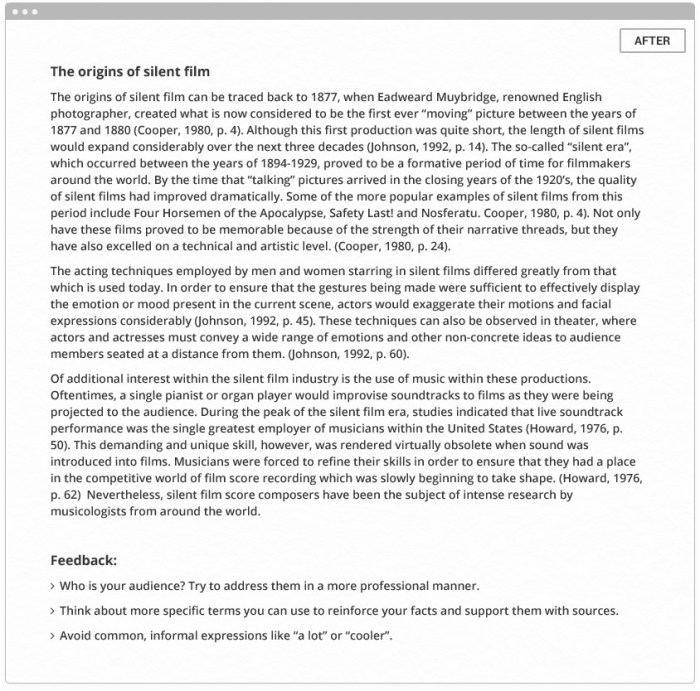
The Role of Feedback in the Essay Writing Process
Seeking feedback during the MBA application essay writing process is crucial for refining your narrative and ensuring your voice resonates with admissions committees. By leveraging insights from peers and mentors, candidates can gain valuable perspectives that enhance the overall quality of their essays. Feedback acts as a mirror, reflecting strengths and areas for improvement, ultimately leading to a more compelling story that showcases individual experiences and aspirations.Incorporating feedback effectively into revisions requires a structured approach.
It’s important to remember that feedback is not just about correcting mistakes; it’s about enhancing the impact of your message. Engaging with trusted advisors can help identify both the strengths and potential shortcomings in your writing. When you receive feedback, it’s beneficial to assess it critically, understanding that not all suggestions will align with your personal voice or the objectives of your essay.
Methods for Incorporating Feedback
When revising your essay based on feedback, consider the following methods to ensure that the process enhances rather than detracts from your original message:
1. Categorize Feedback
Organize the feedback you receive into categories such as content, structure, clarity, and tone. This helps you address specific areas systematically.
2. Prioritize Suggestions
Not all feedback carries the same weight. Focus on comments that resonate most with your essay’s goals and the narrative you wish to convey.
3. Maintain Your Voice
While it’s essential to consider the feedback, always ensure that revisions align with your unique voice. Your personality should shine through the essay.
4. Test Changes
When incorporating feedback, test the alterations by reading the essay aloud or seeking additional opinions. This helps gauge whether the revisions enhance the essay’s flow and impact.
5. Be Open but Discern
Remain open to suggestions but trust your intuition. If a piece of feedback feels off, it’s essential to maintain the integrity of your narrative.
Checklist for Evaluating Feedback, MBA Application Essay Samples
Utilizing a checklist can streamline the evaluation of feedback, ensuring it aligns with your personal voice and goals. Consider the following criteria when assessing the suggestions received:
- Relevance to Goals: Does the feedback address the core message and objectives of your essay?
- Alignment with Personal Voice: Does the suggested revision maintain the authenticity of your narrative style?
- Constructive Nature: Is the feedback constructive, offering specific areas for improvement rather than vague criticisms?
- Feasibility: Can the changes be realistically implemented within the scope of your essay’s overall structure?
- Perspective Value: Does the feedback provide a fresh perspective that you had not considered before?
Preparing for the Essay Writing Process

Source: crackthemba.com
The process of writing MBA application essays requires careful planning, organization, and commitment. By preparing in advance, applicants can not only streamline their writing but also enhance the quality of their essays, ensuring that they effectively convey their unique stories and aspirations.Creating a timeline is essential for managing the writing process. It helps candidates break down the tasks into manageable segments, making it easier to meet deadlines and avoid last-minute stress.
Setting specific writing goals and deadlines fosters accountability and encourages consistent progress, allowing for ample time to refine and review essays.
Creating a Timeline for Essay Writing
A well-structured timeline serves as a roadmap for the essay writing process. Here’s how to effectively craft a timeline:
1. Start Early
Begin at least two to three months before the application deadlines.
2. Research Programs
Allocate time to thoroughly research each program’s requirements and values.
3. Artikel Key Themes
Spend a week brainstorming and outlining the main themes and personal stories for each essay.
4. Drafting Essays
Set aside dedicated blocks of time for writing each essay, aiming for a first draft completion a month before the deadline.
5. Review and Revise
Plan for multiple rounds of revisions, allowing at least two weeks for feedback and polishing.
6. Final Edits
Reserve time for final edits and formatting a few days before submission.
Significance of Setting Writing Goals and Deadlines
Setting specific writing goals and deadlines is crucial for maintaining momentum throughout the essay writing process. Here are some important aspects to consider:
Accountability
Writing goals keep applicants focused, helping them maintain a steady pace.
Quality Over Quantity
By focusing on specific aspects of their applications, candidates can ensure that each essay reflects their best work.
Stress Reduction
Breaking the process into smaller goals can alleviate the pressure of approaching deadlines.
Resources and Tools for Planning and Writing
Utilizing various resources and tools can significantly enhance the efficiency and quality of the essay writing process. The following resources are invaluable:
Writing Guides
Books like “The Art of MBA Application Essays” provide structured insights and tips.
Online Workshops
Many universities offer free or low-cost workshops that focus on MBA applications.
Software Tools
Applications such as Grammarly or Hemingway can assist in checking grammar and improving clarity.
Peer Feedback
Engaging friends or mentors for feedback can provide fresh perspectives on the essays.
Time Management Apps
Tools like Trello or Asana can help track progress and keep deadlines in check.
“Good preparation is the key to successful essays; a well-planned process leads to outstanding outcomes.”
Outcome Summary

Source: statanalytica.com
In conclusion, mastering the MBA application essay is crucial for any prospective student aiming for success in their application journey. By avoiding common mistakes and incorporating feedback effectively, applicants can refine their essays into powerful reflections of their personal brands. Ultimately, with the right approach and preparation, these essays can set candidates apart in a competitive admissions landscape.
Quick FAQs
What is the purpose of an MBA application essay?
The primary purpose is to showcase your unique experiences, motivations, and personal brand to help admissions committees understand who you are beyond your resume.
How long should an MBA application essay be?
Typically, MBA application essays range from 500 to 1,500 words, depending on the specific requirements of the program.
Should I use a formal tone in my MBA essay?
While maintaining professionalism is important, it’s also essential to convey your authentic voice, so a balance of formal and personal tone is recommended.
Can I use the same essay for multiple applications?
It’s advisable to tailor your essays for each program to address specific values and goals, as this demonstrates genuine interest and fit.
How can I make my essay stand out?
Utilizing storytelling techniques and highlighting unique experiences or insights can make your essay memorable and impactful.