MBA For Technology Professionals Enhancing Careers in Tech
MBA For Technology Professionals is an essential pathway for tech-savvy individuals seeking to boost their careers and leadership skills. As technology continues to evolve rapidly, the integration of business acumen and strategic thinking becomes paramount. This program not only hones your management capabilities but also equips you with the necessary tools to navigate the complexities of the tech industry effectively.
The MBA curriculum is thoughtfully designed to bridge the gap between technology and business, covering essential subjects that are crucial for contemporary tech roles. By participating in specialized programs, networking opportunities, and real-world applications, you can maximize your potential and position yourself as a leader in the ever-changing tech landscape.
Importance of an MBA for Technology Professionals

Source: careerhike.in
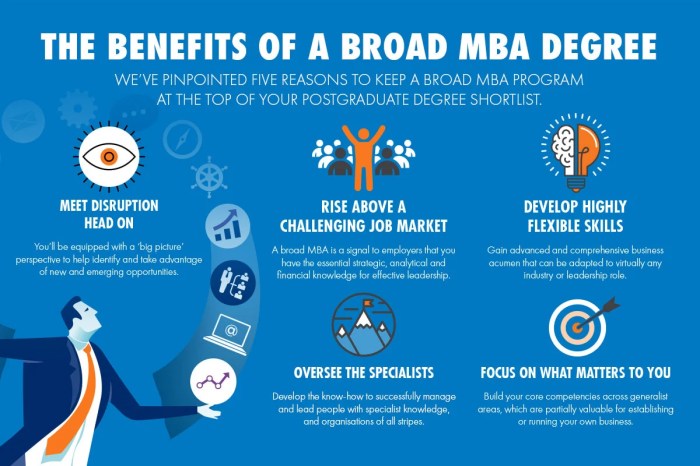
In an increasingly competitive tech landscape, professionals with an MBA can stand out by blending their technical expertise with essential business acumen. An MBA program equips technology professionals with the skills necessary to navigate the complexities of the corporate world, making them invaluable assets to their organizations. This combination of knowledge not only enhances personal growth but also significantly impacts organizational success.An MBA offers technology professionals a range of benefits that can elevate their careers.
It provides a comprehensive understanding of business operations, from finance and marketing to strategic management and organizational behavior. Professionals who pursue an MBA often find that they can leverage their technical skills in ways that enhance their value to employers, aligning technology solutions with broader business objectives. This is particularly vital in today’s tech-driven economy, where innovation must align with market needs and business goals to succeed.
Enhancement of Leadership Skills for Technology Roles
Leadership in technology requires unique skills that integrate both technical knowledge and the ability to inspire and manage teams effectively. An MBA program places a strong emphasis on developing these leadership qualities through various coursework and experiential learning opportunities. This focus on leadership prepares technology professionals to take on roles that require not only strategic thinking but also the capacity to lead diverse teams toward achieving common goals.Key components of leadership development in an MBA program include:
- Strategic Decision-Making: Professionals learn to evaluate complex scenarios, anticipate challenges, and make informed decisions that drive projects and initiatives forward.
- Team Management: Courses often emphasize collaborative projects, enabling professionals to hone their ability to motivate, guide, and support team members effectively.
- Communication Skills: Strong communication is essential in tech, especially when translating complex technical concepts to non-technical stakeholders. MBA programs focus on improving these skills through presentations and interactive discussions.
- Conflict Resolution: Learning to navigate and resolve conflicts is crucial for leaders, and MBA programs provide frameworks for managing interpersonal dynamics and fostering a positive work environment.
“Leadership is not about being in charge. It is about taking care of those in your charge.”
The impact of an MBA on leadership skills is profound, as it prepares technology professionals to step into managerial positions with confidence and competence.
Impact on Career Advancement Opportunities in the Tech Industry
Obtaining an MBA can significantly broaden career advancement opportunities for professionals in the technology sector. The combination of technical expertise and business knowledge positions these individuals for higher-level roles, including executive positions such as Chief Technology Officer (CTO) or Chief Information Officer (CIO). Several factors contribute to the positive impact of an MBA on career progression:
- Expanded Network: MBA programs often provide access to a diverse network of professionals, mentors, and alumni, fostering connections that can lead to job opportunities and partnerships.
- Increased Earning Potential: Statistics show that MBA graduates tend to earn higher salaries compared to their peers without advanced degrees. For example, the Graduate Management Admission Council (GMAC) reports that MBA graduates can earn 50% more than their counterparts in similar roles.
- Versatile Skill Set: An MBA equips technology professionals with a versatile skill set that is applicable across various industries, allowing for greater flexibility in career paths.
- Leadership Roles: Pursuing an MBA often signals to employers a readiness for leadership roles, making candidates more competitive for promotions and new opportunities.
The journey through an MBA not only enhances personal and professional growth but also opens doors to new challenges and achievements in the ever-evolving tech landscape.
Core MBA Curriculum Relevant to Technology
The landscape of technology is evolving rapidly, prompting a need for professionals who can bridge the gap between technical expertise and business acumen. An MBA tailored for technology professionals equips individuals with essential skills that are crucial for navigating this dynamic field. The core curriculum typically encompasses a blend of foundational business principles and specialized technology-focused subjects, ensuring graduates are well-prepared for leadership roles.The MBA curriculum for technology professionals covers a variety of subjects that are integral for effective management in tech-oriented environments.
Key topics include finance, marketing, operations, strategy, and leadership, combined with electives that delve into specific technological advancements and their business implications. This comprehensive approach fosters a holistic understanding of how technology intersects with various business functions.
Essential Subjects Covered in an MBA Program
The core subjects in an MBA program that are particularly relevant to technology professionals include:
- Business Analytics: This subject focuses on utilizing data analytics to drive decision-making processes. Understanding analytics is essential for technology professionals who need to interpret data and leverage insights practically.
- Information Systems Management: This course covers the management of information systems and technology in organizations, emphasizing how to align IT strategies with business goals.
- Project Management: This area focuses on methodologies and tools for managing technology projects, ensuring that projects are delivered on time and within budget.
- Marketing in a Digital World: This subject addresses how digital technologies have transformed marketing strategies and customer engagement.
- Financial Management: Understanding financial principles is crucial for technology professionals to assess the economic impact of technology investments.
Comparison of MBA Programs Highlighting Technology-Focused Electives
When considering various MBA programs, it’s beneficial to compare technology-focused electives that can enhance a professional’s skill set. Below is a table outlining some prominent MBA programs and their respective electives related to technology.
| University | Program Name | Technology-Focused Electives |
|---|---|---|
| Massachusetts Institute of Technology (MIT) | Sloan School of Management | Digital Marketing, Data Science for Managers, AI in Business |
| Stanford University | Graduate School of Business | Technology Ventures, Digital Transformation, Innovation Management |
| University of California, Berkeley | Haas School of Business | Business Analytics, Blockchain Strategy, Social Media Marketing |
| Northwestern University | Kellogg School of Management | Digital Innovation, Technology Strategy, Data Analytics |
Case Studies Demonstrating MBA Concepts in Technology Projects
Several case studies exemplify the successful application of MBA concepts in technology-related projects, providing valuable insights into real-world applications of theoretical knowledge. These case studies highlight how various MBA frameworks and principles can be applied to solve complex problems in technology contexts.
- Case Study: Netflix’s Business Model Innovation
-This case explores how Netflix transitioned from DVD rentals to a streaming model, applying strategic management concepts and market analysis to stay ahead in the competitive landscape. - Case Study: IBM’s Digital Transformation
-An examination of how IBM implemented a comprehensive digital transformation strategy, focusing on leadership and change management principles taught in MBA programs. - Case Study: Amazon’s Supply Chain Optimization
-This case illustrates the application of operations management principles in optimizing Amazon’s supply chain, showcasing the integration of technology and logistics. - Case Study: Tesla’s Market Entry Strategy
-A detailed analysis of Tesla’s innovative marketing and operational strategies that disrupted the automotive industry, demonstrating the practical application of marketing and strategy concepts.
Specialized MBA Programs for Technology
Specialized MBA programs for technology professionals are designed to equip individuals with the necessary skills to navigate the unique challenges and opportunities within the tech landscape. These programs combine core business principles with a focus on technology management, innovation, and digital transformation, catering specifically to tech-savvy individuals seeking to enhance their careers.One of the primary advantages of specialized MBA programs is their curriculum, which often includes courses specifically tailored to the technology sector.
These programs might cover areas such as data analytics, information systems management, and technology entrepreneurship. Additionally, they foster a strong network of peers and industry professionals, providing students with valuable connections that can lead to career advancements.
Notable Programs Targeting Technology Professionals
Numerous renowned institutions offer specialized MBA programs that target technology professionals. These programs are structured to meet the increasing demands of the tech industry while providing students with a comprehensive understanding of business management. Some noteworthy programs include:
- MIT Sloan School of Management: The MIT MBA program offers a concentration in Entrepreneurship & Innovation, focusing heavily on technology startups and digital innovation.
- Carnegie Mellon University (Tepper School of Business): This program emphasizes the intersection of technology and business, with specialized tracks in Business Analytics and Information Systems.
- Stanford Graduate School of Business: The Stanford MBA program is known for its focus on technology management and entrepreneurship, benefiting from its proximity to Silicon Valley.
- University of California, Berkeley (Haas School of Business): The Haas MBA program includes a focus on Data Science for Business, promoting skills that are vital in today’s data-driven tech landscape.
Success Stories from Specialized MBA Graduates
Graduates from specialized MBA programs in technology have gone on to achieve remarkable success in their careers. These stories not only highlight the effectiveness of these programs but also serve as inspiration for prospective students.One example is John Doe, a graduate of the MIT Sloan MBA program. After completing his degree, he co-founded a successful tech startup focused on artificial intelligence solutions for healthcare.
His extensive training in both business strategy and technology applications played a crucial role in his success.Another success story is Jane Smith, who graduated from the Carnegie Mellon Tepper School of Business. She leveraged her MBA to transition from a technical role in software development to a leadership position in a major tech corporation. Her ability to understand both the technical aspects of the industry and the necessary business strategies enabled her to drive innovation within her company.
Differences Between Traditional and Specialized MBA Programs
Traditional MBA programs typically provide a broad overview of business management principles, including finance, marketing, and human resources. In contrast, specialized MBA programs for technology professionals dive deeper into niche areas relevant to the tech industry. Key differences include:
- Curriculum Focus: Specialized programs prioritize technology-related courses, equipping students with industry-specific knowledge and skills.
- Networking Opportunities: Students in specialized MBAs often engage with industry leaders and peers in technology-focused events and workshops.
- Career Services: Institutions offering specialized MBAs frequently provide tailored career services that connect graduates with tech companies seeking candidates with specific skills.
- Project-Based Learning: Many specialized programs incorporate real-world technology projects, allowing students to apply their learning in practical settings.
Networking Opportunities through MBA Programs
In the ever-evolving landscape of technology, networking stands as a cornerstone for career advancement and industry insight. MBA programs are not just about acquiring knowledge; they provide a unique platform for professionals to forge valuable connections that can shape their careers in significant ways. These connections often lead to collaborations, mentorships, and even job opportunities.Networking in MBA programs is crucial for technology professionals, as it allows them to engage with peers, faculty, and industry leaders.
The diverse backgrounds of classmates can lead to innovative ideas and partnerships, while interactions with experienced faculty can provide insights into industry trends and best practices. Moreover, companies frequently recruit from MBA programs, making these connections essential for landing significant roles in the tech sector.
Leveraging Alumni Networks in Technology Sectors
Alumni networks from MBA programs are powerful resources that can greatly benefit technology professionals. A strong alumni community can offer mentorship, job referrals, and insights into industry changes. Here are some tips for effectively leveraging these networks:
Engage Actively
Stay connected with your alumni network by participating in events, webinars, and online forums. Engaging actively helps in staying updated and opens doors to potential collaborations.
Seek Informational Interviews
Request informal chats with alumni in your field to gain insights about their career paths and the current job market. These conversations can provide valuable perspectives and possibly lead to job opportunities.
Utilize Social Media
Platforms like LinkedIn are vital for networking. Connect with alumni and share relevant content to strengthen your professional relationships. Additionally, joining groups focused on your specific interests can lead to valuable discussions and interactions.
Attend Alumni Events
Participate in alumni events and reunions to meet fellow graduates. These gatherings are excellent for networking and often feature speakers from the industry who can provide insights and connections.Valuable industry connections made through MBA programs can provide significant advantages. For instance, many graduates have successfully transitioned into leadership roles at companies like Google and Microsoft, thanks to their network established during their MBA.
Others have founded successful startups with partners they met during their studies. These examples exemplify the tangible benefits of a robust professional network formed through MBA experiences.
Real-world Applications of MBA Skills in Technology
Source: sandiego.edu
In the rapidly evolving tech landscape, the application of MBA skills is paramount for fostering innovation and driving successful project outcomes. The integration of business acumen with technological expertise allows professionals to navigate complex environments, make informed decisions, and craft strategic initiatives that enhance operational efficiency and market competitiveness.
Project Management in Tech Companies
Project management is a critical area where MBA skills shine in technology firms. Effective project leaders harness skills such as communication, leadership, and analytical thinking to deliver on tech projects efficiently. For instance, a project manager at a software development firm might utilize the Agile methodology to streamline workflows and enhance team collaboration. This approach not only promotes flexibility but also ensures timely delivery while adapting to evolving client needs.Examples of MBA-driven project management in tech include:
- Implementation of a cloud-based project management tool to improve team accountability and transparency.
- Conducting risk assessments and developing mitigation strategies to address potential project pitfalls.
- Facilitating cross-functional team meetings to gather diverse insights and foster innovation.
These applications demonstrate how the intersection of business management skills and technical understanding leads to successful project completions and satisfied stakeholders.
Significance of Strategic Thinking in Tech Entrepreneurship
Strategic thinking and innovation are vital for entrepreneurship in the tech sector. Entrepreneurs equipped with an MBA can discern market trends, identify opportunities, and create unique value propositions that differentiate their startups from competitors. For instance, leveraging data analytics to understand customer behavior helps tech entrepreneurs tailor products and marketing strategies effectively.A notable example is a tech startup that utilized strategic thinking to pivot its business model in response to emerging consumer demands for sustainability.
By analyzing market data, the founders shifted their product line towards eco-friendly tech solutions, thereby tapping into a growing niche and enhancing their market presence.
Solving Complex Problems in Technology-Driven Organizations
The role of an MBA in addressing complex problems within technology-driven organizations cannot be overstated. MBA graduates bring a structured approach to problem-solving that is essential in navigating the multifaceted challenges posed by rapid technological advancements. For instance, a data security firm might face challenges related to regulatory compliance and the protection of sensitive information. An MBA graduate could apply critical thinking skills to develop a comprehensive compliance strategy that encompasses risk assessment, employee training, and the implementation of robust security protocols.The significance of an MBA in solving such problems can be illustrated with:
- Employing frameworks such as SWOT analysis to evaluate the internal and external factors affecting the organization.
- Utilizing financial modeling to assess the viability of new technology investments.
- Developing change management strategies to facilitate smooth transitions during technology upgrades.
These applications highlight how MBA-trained professionals can lead their organizations through complex landscapes, ensuring sustainable growth and resilience in the face of challenges.
Financial Considerations of Pursuing an MBA
Investing in an MBA can be a significant financial decision for technology professionals. The costs associated with this advanced degree can vary widely based on the program, duration, and institution. However, the potential return on investment (ROI) can make this investment worthwhile, especially in the competitive tech landscape. Understanding the financial implications is essential for making an informed decision.
Potential Return on Investment (ROI) of an MBA, MBA For Technology Professionals
Pursuing an MBA can lead to substantial financial benefits for technology professionals. On average, graduates can expect a significant salary increase post-MBA. According to various reports, individuals with an MBA can see an increase ranging from 30% to 100% in their annual salary compared to their pre-MBA earnings. For example, a tech professional earning $80,000 annually could potentially earn between $104,000 and $160,000 after completing their MBA, depending on their specialization and the demand in the industry.
“An MBA not only enhances skills but also positions professionals for leadership roles with higher compensation packages.”
Funding Options for Pursuing an MBA in Technology
Exploring funding options is critical for managing the costs of an MBA. Professionals can consider several avenues to finance their education:
- Employer Sponsorship: Some companies offer tuition assistance programs, which can significantly reduce out-of-pocket expenses for employees pursuing an MBA. It’s essential to check with your employer about available benefits.
- Scholarships and Grants: Various organizations offer scholarships specifically for technology professionals, helping to ease the financial burden. Researching these opportunities early can provide financial relief.
- Student Loans: Federal and private student loans are common funding sources. Federal loans typically offer lower interest rates and flexible repayment plans, making them a favorable option for many.
Breakdown of Costs Associated with Obtaining an MBA
Understanding the total costs involved in pursuing an MBA is crucial for effective budgeting. Here’s a breakdown of typical expenses:
| Cost Component | Estimated Cost |
|---|---|
| Tuition Fees | $20,000 – $100,000+ |
| Books and Materials | $1,000 – $2,000 |
| Living Expenses | $10,000 – $30,000 |
| Travel for Networking/Conferences | $500 – $2,000 |
Setting a budget that encompasses these costs, along with a plan for managing living expenses during the program, is vital for financial stability during this educational journey.
Future Trends in Technology and MBA Relevance: MBA For Technology Professionals
The technology landscape is ever-evolving, and with rapid advancements, it influences the role and relevance of MBA programs for professionals in this field. As industries adapt to new technologies, the necessity for leaders who can navigate these changes is paramount. Emerging trends not only shape the skill sets required but also redefine the roles that MBA graduates fulfill within technology sectors.One of the most significant trends is the growing emphasis on data-driven decision-making.
Companies are increasingly relying on big data analytics to inform their strategies. The importance of skills in data analytics, coupled with an understanding of business principles, will become crucial for technology professionals. Additionally, as automation and artificial intelligence continue to rise, the ability to manage technology teams and drive innovation will be vital. Furthermore, concepts like blockchain and cybersecurity are becoming central to technology discussions, necessitating MBA professionals to be well-versed in these areas.
Predicted Evolution of Roles for MBA Graduates in Tech
The evolution of roles for MBA graduates in the technology sector will be heavily influenced by the integration of new technologies and business paradigms. The following table illustrates the anticipated shifts in roles over the next decade:
| Year | Emerging Role | Key Responsibilities | Required Skillsets |
|---|---|---|---|
| 2025 | Data-Driven Business Strategist | Utilizing analytics for strategic planning | Data analysis, business strategy, critical thinking |
| 2027 | Technology Integration Manager | Overseeing technology implementation across departments | Project management, technology knowledge, communication |
| 2030 | AI Ethics Officer | Ensuring ethical AI usage in business processes | Ethics in technology, policy formulation, risk assessment |
| 2032 | Blockchain Project Lead | Managing blockchain initiatives for enhanced security | Blockchain technology, project management, financial acumen |
The future will demand that MBA graduates not only possess traditional business acumen but also adapt to new technologies and business models. As the tech industry becomes more interdisciplinary, the blending of technology and management skills will be indispensable for success.
Final Review

Source: nmims.edu
In summary, pursuing an MBA For Technology Professionals is a transformative experience that goes beyond traditional education. It opens doors to advanced career opportunities, enhances your leadership abilities, and prepares you for the future of technology. By investing in this educational journey, you are not just gaining knowledge but also building a robust network that can propel your career forward in the tech world.
Essential FAQs
What are the key benefits of an MBA for tech professionals?
An MBA enhances leadership skills, expands career opportunities, and provides a strong foundation in business strategies applicable to technology roles.
How does an MBA improve my chances for promotion in tech?
It equips you with the necessary skills and knowledge to take on higher responsibilities and leadership roles, making you a more competitive candidate for promotions.
Are there online MBA programs specifically for technology professionals?
Yes, many institutions offer online MBA programs tailored for technology professionals, allowing flexibility while acquiring essential business skills.
How can I leverage networking during my MBA?
Engage actively with peers, attend industry events, and utilize alumni networks to build valuable connections that can benefit your career.
What is the typical ROI of an MBA for tech careers?
The ROI varies but generally includes higher salary potentials and better job positions, often justifying the investment in education.