MBA In International Marketing Unlocks Global Careers
MBA In International Marketing sets the stage for a thrilling journey into the world of global business. This program not only highlights the significance of understanding diverse markets but also equips students with essential skills to navigate the complexities of international marketing. With a tailored curriculum that focuses on effective marketing strategies, emerging trends, and technological advancements, graduates are prepared to make a significant impact in the global marketplace.
As the landscape of marketing evolves, the need for adept professionals who can adapt strategies to various cultures and consumer behaviors becomes ever more critical. This degree provides an in-depth look into the challenges and opportunities that come with international marketing, ensuring that students are well-prepared to thrive in dynamic environments.
Overview of MBA in International Marketing
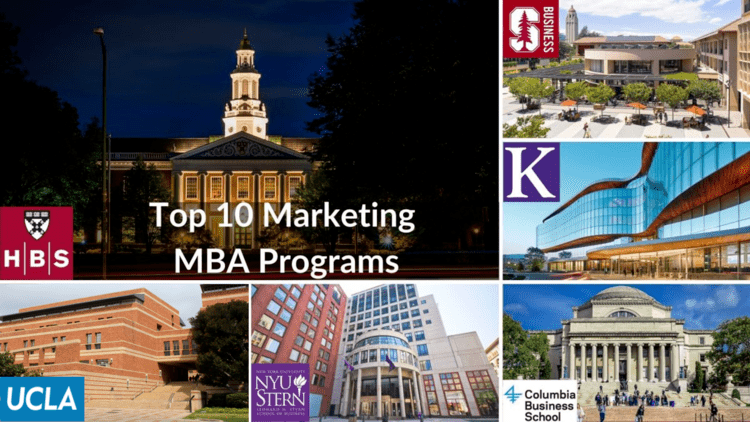
Source: e-gmat.com
Pursuing an MBA in International Marketing is a strategic choice for those seeking to excel in the global marketplace. This program equips professionals with the knowledge and skills necessary to navigate the complexities of marketing across different countries and cultures. As businesses expand their reach internationally, the demand for experts in this field continues to grow, making this degree highly valuable.The core components of an MBA curriculum focused on International Marketing encompass a wide range of subjects that equip students with both theoretical and practical knowledge.
The program typically includes courses on global marketing strategies, consumer behavior, international market research, and digital marketing. Each of these subjects is designed to help students understand the intricacies of marketing on a global scale, emphasizing the need to adapt strategies to fit diverse cultural contexts.
Key Skills Acquired Through the Program
Students graduating from an MBA in International Marketing develop a robust set of skills that are essential for success in the global market. These skills enhance their ability to analyze market trends and consumer behavior across different regions. The following are some of the key skills acquired through this program:
- Cross-Cultural Communication: Students learn to communicate effectively with diverse audiences, understanding cultural nuances that affect marketing strategies.
- Strategic Thinking: The program fosters the ability to develop comprehensive marketing strategies that consider global competition and market dynamics.
- Data Analysis: Advanced training in data analytics equips students to make informed decisions based on market research and consumer insights.
- Digital Marketing Proficiency: As digital platforms become pivotal in marketing, students gain expertise in leveraging social media, , and online advertising.
- Adaptability and Innovation: The curriculum encourages creative problem-solving and the ability to adapt marketing approaches to varied international landscapes.
The integration of these skills prepares graduates to face challenges in international marketing with confidence, making them valuable assets to any organization seeking to thrive on a global scale.
Career Opportunities after MBA in International Marketing

Source: cloudinary.com
Graduates of an MBA in International Marketing can explore a wide range of career paths that leverage their skills in global marketing strategies, consumer behavior analysis, and cross-cultural communications. As businesses expand globally, the demand for professionals who can navigate the complexities of international markets continues to grow, opening various opportunities in a multitude of sectors.The impact of globalization and digital transformation has reshaped marketing strategies, creating a unique landscape for professionals in this field.
Graduates can pursue roles in multinational corporations, marketing agencies, non-profit organizations, and even start their own ventures. Here’s an overview of some prominent career paths available to MBA graduates specializing in International Marketing.
Career Paths and Salary Expectations
The following table summarizes key job roles, essential skills, and average salary expectations for graduates of an MBA in International Marketing:
| Job Role | Required Skills | Average Salary (USD) |
|---|---|---|
| International Marketing Manager | Market Research, Strategic Planning, Cultural Awareness | 80,000 – 130,000 |
| Global Brand Manager | Brand Development, Cross-Cultural Marketing, Communication Skills | 90,000 – 150,000 |
| Market Research Analyst | Data Analysis, Consumer Insights, Reporting Skills | 60,000 – 100,000 |
| Sales Executive (International) | Negotiation, Relationship Building, Language Proficiency | 70,000 – 120,000 |
| Digital Marketing Specialist | , Content Marketing, Social Media Expertise | 50,000 – 90,000 |
| Export Manager | Logistics Management, Regulatory Compliance, Networking Skills | 75,000 – 115,000 |
The digital marketing landscape, driven by advancements in technology and consumer behavior shifts, has significantly influenced job opportunities. Businesses are increasingly investing in online marketing strategies to reach global audiences, which amplifies the demand for skilled professionals who can effectively manage digital campaigns across different regions. The rise of e-commerce, social media, and data analytics has created new roles and expanded existing ones, emphasizing the importance of adaptability and continuous learning in this evolving field.
“The future of marketing is not about the stuff you make but the stories you tell.”
Seth Godin
Overall, the career opportunities available to those with an MBA in International Marketing are vast and varied, reflecting the dynamic nature of global markets and the essential role of effective marketing strategies in driving business success.
Importance of Global Market Understanding
Understanding the global market is essential in today’s interconnected business environment. As companies expand their reach beyond domestic borders, the ability to navigate diverse markets and cultures becomes paramount. A comprehensive grasp of these elements not only aids in crafting effective marketing strategies but also enhances the potential for sustainable growth and customer loyalty in various regions.The significance of understanding global markets lies in the myriad of cultural, economic, and social factors that influence consumer behavior.
By recognizing these differences, businesses can tailor their products and messaging to resonate with local audiences. For instance, a brand that adapts its marketing strategy to reflect the cultural values of a specific country is more likely to succeed than one that employs a one-size-fits-all approach.
Successful International Marketing Campaigns
Examining successful international marketing campaigns provides valuable insights into how understanding global markets can lead to favorable outcomes. A prime example is Coca-Cola’s “Share a Coke” campaign, which debuted in Australia and later expanded globally. By replacing its iconic logo with popular names and terms of endearment tailored to each market, Coca-Cola fostered a personal connection with consumers, resulting in increased sales and brand engagement.Another notable case is Nike’s “Just Do It” campaign, which successfully transcended cultural barriers by promoting universal themes of motivation and perseverance.
In markets like China, Nike adapted its messaging to align with local values while maintaining its brand identity, demonstrating the importance of cultural sensitivity in marketing.
Essential Market Research Methods
Effective international marketing begins with thorough market research, which allows businesses to gain insights into consumer preferences, market trends, and competitive landscapes. Below is a list of essential market research methods utilized in international marketing:The importance of employing diverse research methodologies cannot be overstated, as they enable companies to gather comprehensive data that informs decision-making.
- Surveys: Custom surveys designed for specific markets can yield valuable quantitative data on consumer preferences and behaviors.
- Focus Groups: Conducting focus groups with local participants helps uncover qualitative insights and cultural nuances that surveys may miss.
- Interviews: One-on-one interviews with industry experts or potential customers can provide deep insights into market perceptions and demands.
- Secondary Data Analysis: Analyzing existing research reports, market studies, and government publications can offer a foundational understanding of market dynamics.
- Social Media Listening: Monitoring social media platforms helps identify trends, customer sentiments, and brand perceptions across different regions.
- Field Trials: Testing products in select markets allows businesses to gauge consumer responses before a full-scale launch.
Key Marketing Strategies in a Global Context
In today’s interconnected world, understanding and implementing effective marketing strategies at a global level is essential for businesses seeking to expand their reach and boost their success. The dynamics of international markets demand tailored approaches that resonate with diverse audiences, making it vital for marketers to adapt traditional methods while embracing contemporary digital innovations.One of the most significant shifts in marketing strategies is the transition from traditional tactics to digital approaches.
While traditional marketing often relied on print media, television, and direct mail, contemporary strategies leverage digital platforms to engage global audiences more effectively. The integration of technology allows brands to connect with consumers in real-time, providing personalized experiences that traditional media could hardly achieve.
Effective Marketing Strategies for Global Audiences
To successfully navigate international markets, businesses must adopt strategies that consider cultural nuances, consumer behavior, and regional preferences. Here are some effective marketing strategies to engage global audiences:
- Localized Advertising: Tailoring messages to reflect local languages, cultures, and values is crucial. For instance, brands like Coca-Cola modify their advertising campaigns to resonate with local customs and consumer sentiment, enhancing relatability.
- Market Research: Conducting thorough research to understand market trends, competition, and consumer preferences in different regions helps in crafting targeted marketing campaigns. A notable example is Unilever, which invests heavily in understanding local markets before launching new products.
- Collaborations and Partnerships: Forming alliances with local businesses can facilitate market entry and enhance credibility. For instance, Starbucks partners with local coffee suppliers to ensure authenticity in their offerings across various countries.
- Content Marketing: Creating compelling content that adds value—such as blogs, videos, and infographics—can engage consumers on a deeper level. Brands like Red Bull successfully utilize extreme sports and adventure content to connect with their global audience.
- Multichannel Approach: Utilizing various channels—social media, email marketing, and mobile applications—ensures brands reach consumers where they are most active. Brands such as Nike effectively integrate multiple channels for a cohesive marketing strategy.
Comparison of Traditional and Contemporary Digital Marketing Tactics
The landscape of marketing has evolved significantly with the advent of digital technologies. Traditional marketing strategies often take a one-size-fits-all approach, whereas contemporary tactics emphasize personalization and engagement. Traditional marketing primarily focuses on:
- Mass Media Advertising: Using television, radio, and print to reach a broad audience without specific targeting.
- Static Messaging: Advertisements often convey a single message without room for interaction or feedback.
- Long Lead Times: Time-consuming processes for creating and placing ads, making it challenging to respond to market changes swiftly.
In contrast, contemporary digital marketing strategies include:
- Targeted Advertising: Utilizing data analytics to tailor ads to specific demographics and interests, enhancing relevance and effectiveness.
- Interactive Campaigns: Engaging audiences through interactive content such as polls, quizzes, and contests that encourage participation and feedback.
- Real-Time Adaptability: The ability to modify campaigns instantly based on performance metrics and consumer engagement, allowing for agile marketing strategies.
Role of Social Media in International Marketing Strategies
Social media has transformed the way brands connect with consumers across the globe, providing a platform for direct interaction and community building. Its role in international marketing is paramount for several reasons:
- Global Reach: Social media platforms such as Facebook, Instagram, and Twitter allow brands to engage with audiences worldwide, transcending geographical barriers.
- Real-Time Engagement: Brands can respond to customer inquiries and feedback instantly, fostering a more personal relationship with consumers. For instance, brands like Wendy’s use humor and wit on Twitter to engage with their followers, creating a loyal community.
- Content Sharing: The viral nature of social media enables brands to share content that can quickly reach a broader audience, increasing brand visibility. Campaigns like the ALS Ice Bucket Challenge illustrate how social media can amplify messages rapidly.
- User-Generated Content: Encouraging customers to share their experiences and opinions about products can serve as authentic marketing. Brands such as GoPro thrive on user-generated content, showcasing real-life adventures that resonate with potential customers.
Overall, the integration of digital marketing and social media into global marketing strategies enables brands to create more personalized, engaging, and effective campaigns, ultimately leading to greater success in international markets.
Challenges in International Marketing: MBA In International Marketing
In the rapidly evolving global marketplace, international marketing presents a unique set of challenges that can significantly impact a company’s success. Marketers must navigate a complex landscape that includes cultural differences, regulatory hurdles, and varying consumer behaviors.One of the primary challenges faced by marketers in global markets is understanding the diverse cultural nuances that influence consumer preferences and purchasing behavior.
Different countries have distinct values and norms that can affect how products are perceived. Additionally, regulatory environments can vary widely, complicating compliance with local laws and standards. Moreover, logistical issues such as shipping, distribution, and communication can pose additional obstacles in international marketing efforts.
Cultural and Regulatory Barriers
Overcoming cultural and regulatory barriers is crucial for successful international marketing. Marketers can adopt several strategies to mitigate these challenges:
Market Research
Conduct thorough research to understand the cultural preferences of your target audience. This can include focus groups, surveys, and analysis of local competitors. Knowledge about local customs and buying habits can significantly enhance marketing effectiveness.
Localization of Marketing Content
Tailor marketing messages and advertising campaigns to resonate with local cultures. This may involve translating content accurately and considering local idioms or symbols that hold significance.
Legal Compliance
Stay informed about the regulatory landscape in each target market. Engaging local legal experts can help navigate complex laws related to advertising, labeling, and product safety.
Building Relationships
Establish strong connections with local partners, suppliers, and distributors who understand the market dynamics and can provide valuable insights.
Flexibility and Adaptability
Be prepared to pivot strategies based on market feedback and changing conditions. This flexibility can lead to identifying new opportunities or avoiding potential pitfalls.To effectively navigate international markets, marketers should consider the following best practices:
Develop a Global Marketing Strategy
Create a unified strategy that can be adapted for different markets while maintaining the brand’s core identity.
Leverage Technology
Utilize digital marketing tools to reach a global audience efficiently. Social media platforms can be tailored to specific regional markets.
Invest in Training
Equip marketing teams with the necessary training to understand cultural differences and regulatory requirements in various markets.
Monitor Market Trends
Stay updated with global market trends and consumer behavior changes. Regular analysis can help in adjusting marketing strategies promptly.
Feedback Mechanism
Implement systems to gather feedback from customers in different regions. This feedback can provide insights into the effectiveness of marketing strategies and areas for improvement.By addressing these challenges with informed strategies and best practices, companies can enhance their chances of success in the competitive field of international marketing.
The Role of Technology in International Marketing
The advent of technology has fundamentally reshaped the landscape of international marketing, allowing businesses to operate across borders more efficiently than ever before. With the integration of various technological tools, companies can now reach global audiences, tailor their marketing campaigns, and analyze data on an unprecedented scale. This transformation not only enhances marketing effectiveness but also paves the way for innovative strategies that can adapt to the dynamic nature of global markets.Technological advancements have introduced numerous tools and platforms that empower marketers to execute their strategies more effectively.
From automation software to social media platforms, these resources facilitate targeted campaigns and streamline communications with international clients. Moreover, the rise of e-commerce has simplified market entry for companies, enabling them to establish a presence in diverse regions with relative ease.
Examples of Tools and Software in Global Marketing
Numerous software applications and tools play critical roles in enhancing global marketing efforts. These tools facilitate research, communication, and data analysis, making it easier for companies to navigate the complexities of international markets. Some noteworthy examples include:
- HubSpot: This comprehensive marketing software offers tools for email marketing, social media management, and analytics, allowing businesses to effectively manage their international marketing campaigns from a single platform.
- Mailchimp: A popular email marketing service, Mailchimp helps businesses reach their global audience through targeted email campaigns, complete with segmentation and performance tracking features.
- Hootsuite: This social media management platform enables companies to schedule posts, monitor brand mentions, and analyze engagement across various social media channels around the world.
- Google Analytics: Essential for tracking website performance, Google Analytics provides insights into user behavior, helping marketers understand how international visitors interact with their online platforms.
- SEMrush: This tool aids in search engine optimization () and content marketing, offering valuable insights into competition and strategies across different countries.
Significance of Data Analytics in International Marketing
Data analytics plays a pivotal role in shaping effective international marketing strategies. Through the collection and analysis of vast amounts of data, marketers can gain insights into consumer behavior, preferences, and trends across different markets. This analytical approach helps businesses make informed decisions and optimize their marketing efforts to maximize impact.The significance of data analytics in international marketing can be highlighted by the following aspects:
- Targeted Marketing: Data analytics enables businesses to identify specific customer segments and tailor marketing messages to resonate with diverse audiences, driving engagement and conversion rates.
- Performance Measurement: By using analytics, companies can assess the effectiveness of their marketing campaigns, adjusting strategies based on performance metrics to enhance overall results.
- Market Trends: Analyzing data allows companies to spot emerging trends and shifts in consumer preferences, helping them stay ahead of competitors in various global markets.
- Predictive Analytics: Advanced analytics techniques help businesses forecast future market conditions and consumer behaviors, allowing for proactive strategy adjustments.
In summary, the role of technology in international marketing cannot be overstated. From powerful software tools that streamline operations to the adoption of data analytics for informed decision-making, technology is a driving force behind the success of global marketing initiatives.
Networking and Professional Development

Source: lextorah.com
Building a robust network is essential for anyone aspiring to excel in international marketing. In this competitive field, connections can often lead to opportunities that traditional job applications cannot. Effective networking can provide insights into market trends, access to unadvertised opportunities, and partnerships that can enhance one’s career trajectory. Establishing a professional network not only opens doors but also creates a support system of mentors and peers who can offer guidance and advice throughout your career.
Understanding the value of networking is critical, especially in a global landscape where relationships can significantly influence business outcomes.
Importance of Networking in Securing International Marketing Roles, MBA In International Marketing
Networking is a pivotal element in the journey toward securing roles in international marketing. Personal connections can provide firsthand information about job openings and company cultures, which are often not publicly advertised. The significance of these relationships cannot be overlooked, as they can lead to introductions to key decision-makers in organizations.
Professional Organizations and Conferences
Participating in professional organizations and attending conferences related to international marketing is crucial for expanding your network. Here are some notable organizations and events worth considering:
- American Marketing Association (AMA) – A leading organization for marketing professionals, offering resources and networking opportunities.
- International Marketing Association (IMA) – Focuses on the needs of international marketers and offers seminars and resources.
- Global Marketing Conference – An annual conference that gathers global marketing professionals to discuss the latest trends and strategies.
- Marketing Week Live – A comprehensive event that includes keynotes from industry leaders, allowing for valuable networking.
Engaging with these organizations and events helps professionals stay updated on industry trends while providing valuable networking opportunities.
Developing a Strong Professional Online Presence
In today’s digital age, having a strong online presence is critical for professional development and networking. Here are some tips to enhance your online visibility:
- Leverage LinkedIn: Ensure your profile is complete and showcases your skills, experiences, and accomplishments. Connect with industry professionals and join relevant groups.
- Share Insights: Regularly post articles, insights, or updates related to international marketing to establish yourself as a knowledgeable professional in the field.
- Engage with Content: Comment on posts from industry leaders and engage in discussions to increase your visibility within your professional circle.
- Create a Personal Website: Having a dedicated website or portfolio can showcase your work, projects, and achievements, making it easier for potential employers to view your qualifications.
Establishing a professional online presence not only boosts your visibility but also helps you connect with others in your industry, opening up more opportunities for collaboration and career advancement.
Insights from Industry Experts
In the dynamic field of international marketing, insights from industry experts provide invaluable perspectives that shape strategies and trends. These professionals bring a wealth of experience, shedding light on the evolving landscape of global marketing. By discussing their thoughts, we can gain a deeper understanding of what it takes to succeed in this competitive arena.Industry experts often highlight the importance of adaptability and cultural sensitivity in international marketing.
As businesses increasingly expand their reach across borders, understanding local markets, consumer behavior, and regulatory environments becomes crucial. Here are some insights shared by seasoned professionals in the field:
Expert Interviews and Insights
Through interviews with various industry leaders, several recurring themes emerge that define the current state of international marketing. Experts emphasize the necessity of continuous learning to keep pace with global trends and consumer expectations. Many professionals have shared their experiences and strategies that have proven successful in navigating international markets.
“Success in international marketing relies not just on the product, but on how well you understand the cultural nuances of your consumers.”
Jane Doe, Global Marketing Director
“In a world driven by technology, leveraging data analytics for market insights is no longer optional; it’s essential.”
John Smith, Chief Marketing Officer
Additionally, many organizations invest in mentorship programs that pair MBA students with experienced marketers. Mentorship offers students insights into real-world applications of their academic knowledge while providing networking opportunities. Through these programs, students can gain firsthand exposure to industry practices and develop vital skills in a supportive environment.
Mentorship Opportunities for MBA Students
Networking and mentorship play a crucial role in shaping the careers of MBA students specializing in international marketing. By connecting with seasoned professionals, students can enhance their understanding of the industry and refine their skills. Mentorship opportunities may include:
- One-on-one mentoring sessions that focus on career guidance and industry insights.
- Workshops and seminars led by industry leaders, providing practical skills and knowledge.
- Internship opportunities facilitated through mentorship programs, offering real-life experience in international marketing contexts.
- Networking events where students can meet potential employers and industry peers.
Engaging with mentors not only enriches the learning experience but also helps build a strong professional network that can open doors to future career opportunities. By leveraging these insights and mentorship avenues, MBA students can position themselves effectively within the global marketing landscape.
Closure
In summary, pursuing an MBA In International Marketing not only opens doors to a plethora of career opportunities but also cultivates a deep understanding of global market dynamics. As businesses continue to expand their international reach, the knowledge and skills acquired through this program will be invaluable. Graduates are positioned to lead innovative marketing strategies that resonate across borders, making a lasting impact on the global stage.
FAQ Corner
What are the core subjects covered in the program?
The core subjects typically include global marketing strategies, consumer behavior, market research, and digital marketing.
Is an MBA in International Marketing worth the investment?
Yes, it provides essential skills and knowledge that can lead to lucrative job opportunities in a competitive global market.
How long does it take to complete the MBA program?
Most MBA programs can be completed in 1 to 2 years, depending on the format and whether you’re studying full-time or part-time.
Can I pursue this MBA online?
Yes, many universities offer online MBA programs in International Marketing for greater flexibility.
What types of companies hire graduates from this program?
Graduates are often hired by multinational corporations, marketing agencies, and consulting firms focused on international markets.