MBA Program Admission Tips for Aspiring Candidates
MBA Program Admission Tips are essential for anyone looking to elevate their career prospects in today’s competitive job market. Pursuing an MBA can unlock a plethora of opportunities, from advancing your leadership skills to opening doors in various industries. This guide will equip you with valuable insights on navigating the admission process, from researching the best programs to preparing for interviews and managing finances.
Whether you’re a recent graduate or an experienced professional, understanding the nuances of the application process can significantly boost your chances of acceptance into a desired program. With a comprehensive approach, we will delve into each critical component that can make your application stand out.
Importance of MBA Program Admission
In today’s competitive job market, obtaining an MBA has become a strategic advantage for professionals aspiring to elevate their careers. An MBA program not only enhances one’s educational qualifications but also equips students with the skills necessary to navigate complex corporate environments. This degree has transformed into a significant marker of prowess and commitment in various industries, influencing hiring decisions and career trajectories.Earning an MBA can significantly expand career opportunities and open doors to high-level positions across industries.
Graduates often find themselves in roles that require strategic thinking, financial acumen, and leadership capabilities, which are highly valued in the corporate world. Additionally, MBAs have the potential to command higher salaries compared to those with only a bachelor’s degree. According to data from the Graduate Management Admission Council (GMAC), MBA graduates can expect a median salary significantly higher than their non-MBA counterparts, which reinforces the financial benefits of pursuing this advanced degree.
Career Advancements Achieved through an MBA
An MBA can act as a catalyst for career advancement, positioning professionals for leadership roles and greater responsibilities. This degree enhances critical business competencies such as analytical thinking, problem-solving, and decision-making. Numerous studies illustrate how MBA graduates move into management or executive positions at a faster rate than those without this qualification. The following factors illustrate how an MBA can lead to career advancements:
- Leadership Development: MBA programs often include coursework and experiential learning that cultivate leadership skills. Graduates emerge as capable leaders ready to drive organizational success.
- Network Expansion: MBA programs provide access to extensive alumni networks, which can be instrumental in securing job opportunities and mentorship.
- Specialization Opportunities: Many MBA programs offer specializations such as finance, marketing, or entrepreneurship, allowing graduates to position themselves in niche markets.
- Increased Job Mobility: Employers often prioritize MBA graduates for promotions due to their advanced understanding of business operations and strategic management.
In practical terms, individuals who pursue their MBA often report faster career progression within their organizations. A graduate from a top-tier business school may move from an entry-level position to a managerial role within a few years, a transition that might take much longer for those without an MBA.
Enhancement of Leadership Skills through an MBA
The enhancement of leadership skills is a core component of any MBA program. Coursework is designed to challenge students to think critically and lead effectively in various business contexts. This educational environment fosters collaboration and innovation, key traits of successful leaders.Several key aspects of MBA programs contribute to leadership development:
- Case Studies: Real-world case studies are frequently used to teach decision-making and strategic thinking, helping students understand the complexities of leading organizations.
- Group Projects: Working in teams on projects allows students to practice collaborative leadership, manage team dynamics, and develop conflict-resolution skills.
- Leadership Workshops: Many programs include workshops focused on personal leadership styles, communication, and emotional intelligence, providing invaluable insights into effective leadership practices.
- Mentorship Programs: Access to mentors in the industry helps students learn best practices and leadership principles from experienced professionals.
These experiences not only prepare MBA graduates to take on leadership roles but also inspire confidence in their ability to lead diverse teams and navigate challenging business scenarios. As organizations seek adaptive and visionary leaders, an MBA becomes an essential qualification for those aiming to make significant impacts in their fields.
Researching Programs
Finding the right MBA program is a critical step towards achieving your professional goals. By carefully researching various programs, you can identify which ones align with your aspirations, values, and lifestyle. This process not only helps you choose the best educational institution but also ensures that the program will provide the necessary skills and networking opportunities to advance your career.When evaluating different MBA programs, it’s essential to consider multiple factors that can influence your decision.
Look into the reputation of the school, faculty qualifications, alumni success, and available specializations. Program rankings can be a useful starting point, but it’s vital to understand what these rankings mean and how they relate to your specific needs.
Identifying the Best MBA Programs
Several methods can help you pinpoint the ideal MBA programs tailored to your individual goals. Here are some key strategies to consider:
Define Your Goals
Before you begin your search, clarify what you want to achieve with your MBA. Are you looking to switch careers, gain managerial skills, or enhance your leadership capabilities?
Research Schools
Utilize resources such as rankings from reputable sources like U.S. News & World Report, Financial Times, and The Economist. These rankings typically assess factors like academic reputation, employment rates, and faculty credentials.
Network with Alumni
Connecting with alumni from programs you’re interested in can provide invaluable insights. They can share their experiences and how their MBA has impacted their careers.
Attend Information Sessions
Many schools offer webinars or in-person sessions where you can learn more about the program’s offerings, curriculum, and culture.
Utilize Online Forums
Engage in MBA forums and social media groups to gather opinions and tips from current students and alumni about their experiences.
Evaluating Program Rankings
When considering program rankings, it’s crucial to analyze the components that contribute to these rankings. Rankings can vary significantly based on different criteria. Key factors to keep in mind include:
Academic Reputation
This often reflects the peer assessments and the quality of faculty.
Employment Outcomes
Look for statistics on graduate employment rates, starting salaries, and career progression post-graduation.
Curriculum and Specializations
Assess whether the program offers concentrations that align with your career interests and whether the curriculum is updated to reflect industry trends.
Diversity and Inclusion
A diverse student body can enhance your learning experience and prepare you for global business environments.
“Choosing the right MBA program is not just about rankings; it’s about finding a fit for your unique career path.”
Full-Time vs. Part-Time MBA Programs
Full-time and part-time MBA programs each offer distinct advantages, and the choice largely depends on your professional situation and personal commitments. Here’s a breakdown of both:
Full-Time MBA Programs
Typically require students to dedicate one or two years exclusively to their studies. These programs usually provide a comprehensive immersion into the business world, with opportunities for internships and projects. They are ideal for those looking to make a significant career change or advance rapidly in their field.
Part-Time MBA Programs
Designed for working professionals who wish to continue their careers while pursuing their degree. These programs offer flexibility, allowing students to balance work, study, and personal lives. While they may take longer to complete, they provide the opportunity to apply learned concepts in real-time at work. When selecting between full-time and part-time options, consider factors like your current job responsibilities, financial situation, and long-term career objectives.
Both paths can lead to valuable outcomes, but aligning the program with your lifestyle and aspirations is crucial to maximizing your MBA experience.
Application Components: MBA Program Admission Tips

Source: crackthemba.com
The MBA application process can be quite rigorous, and understanding its essential components is crucial for crafting a successful application. Each element plays a significant role in presenting a comprehensive view of your qualifications, aspirations, and personality, which can ultimately influence admission decisions.
Essential Components of an MBA Application
A complete MBA application typically includes several key components that allow admissions committees to evaluate candidates effectively. Here are the most important parts you should pay careful attention to:
- Application Form: The basic entry point, this form collects vital information such as personal details, academic history, and work experience. Ensure accuracy and completeness.
- Transcripts: Official academic transcripts are required to show previous educational attainment. These documents provide insight into your academic performance and readiness for advanced study.
- Standardized Test Scores: Many programs require GMAT or GRE scores, which serve as a benchmark for your analytical and quantitative abilities. Check program requirements to see if these scores are necessary.
- Personal Statement: This narrative showcases your motivations, professional journey, and aspirations. It is your opportunity to connect with the admissions team on a personal level.
- Letters of Recommendation: These letters provide third-party validation of your skills and character, offering insights into your work ethic and professional capabilities.
- Resume/CV: A detailed account of your professional experiences, leadership roles, and achievements. This document helps illustrate your career trajectory and future potential.
Developing a Compelling Personal Statement
Crafting an impactful personal statement is vital as it often serves as the deciding factor for admission. This document should reflect your personal journey, motivations, and reasons for pursuing an MBA. To develop a strong statement, consider the following elements:
- Authenticity: Be true to yourself. Authenticity resonates deeply with admissions committees.
- Clear Objectives: Artikel your career goals and how the MBA will help you achieve them. Specificity can strengthen your case.
- Personal Narratives: Incorporate personal stories or experiences that shaped your professional path. This makes your statement memorable.
- Impactful Writing: Use a clear and engaging writing style. Proofread for grammar and clarity, as professionalism is key.
“A well-crafted personal statement should not only tell your story but also connect your past, present, and future.”
Importance of Letters of Recommendation
Letters of recommendation are crucial as they provide an external perspective on your abilities and character. They can significantly enhance your application when chosen wisely. Here’s how to approach this aspect:
- Selecting Recommenders: Choose individuals who know you well and can speak positively about your professional skills and personal attributes. Ideal recommenders often include supervisors, colleagues, or professors.
- Guiding Your Recommenders: Inform your recommenders about the MBA programs you are applying to and share your goals and achievements with them. This background helps them tailor their letters effectively.
- Timing: Approach potential recommenders well in advance to provide them ample time to write thoughtful letters. A rushed recommendation may not reflect your strengths accurately.
“A strong recommendation can elevate your application by reinforcing your suitability for an MBA program.”
Preparing for the GMAT/GRE
Preparing for standardized tests like the GMAT or GRE is a crucial step in the MBA application process. These exams assess your analytical, quantitative, verbal, and writing skills, which are essential for success in graduate business programs. A strategic approach to preparation can significantly impact your scores, ultimately influencing your admission prospects.
Effective Study Strategies for Standardized Tests
Establishing a solid study plan paired with effective strategies can enhance your preparation for the GMAT or GRE. Consider the following methods to optimize your study time:
- Create a Study Schedule: Allocate specific study times each week, ensuring consistent progress without cramming.
- Use Official Study Materials: Utilize resources from the test creators, such as official guides and practice tests, to familiarize yourself with the test format.
- Identify Strengths and Weaknesses: Take a diagnostic test to identify areas that need improvement, allowing you to focus your study efforts efficiently.
- Practice with Timed Tests: Simulate test conditions by taking full-length practice exams within the time limits to build stamina and reduce anxiety.
- Join Study Groups or Classes: Engage with peers or enroll in preparatory courses for structured guidance and support.
- Review Mistakes: Analyze practice test errors to understand your thought process and avoid repeating the same mistakes.
Timeline for GMAT/GRE Preparation
Creating a timeline for your GMAT or GRE preparation can help ensure that you are well-prepared by the application deadline. Here’s a suggested timeline to guide your study process over several months:
| Month | Activities |
|---|---|
| 3-6 Months Before | Familiarize yourself with the exam structure, take a diagnostic test, and create a study plan. |
| 2-4 Months Before | Begin focused study sessions, cover all test sections, and start practicing with timed quizzes. |
| 1-2 Months Before | Take full-length practice tests under realistic conditions and review all mistakes thoroughly. |
| 1 Month Before | Continue reviewing content, focus on weak areas, and practice stress management techniques. |
| 1 Week Before | Reduce study intensity; focus on light review and ensure you are mentally prepared for test day. |
Role of Test Scores in the Admission Process
Test scores are a critical component of the MBA admission process, often serving as a benchmark to assess applicants’ readiness for graduate-level coursework. Admissions committees use these scores, alongside other factors such as work experience, letters of recommendation, and personal statements, to evaluate applicants holistically.
“The GMAT or GRE score can significantly influence admissions decisions, often acting as a distinguishing factor among candidates with similar qualifications.”
A competitive score not only strengthens your application but may also enhance your chances for scholarships and financial aid. Schools typically have average score ranges for admitted students, and exceeding these averages can bolster your application. Therefore, investing time and effort into preparing for these exams can yield substantial benefits in your MBA journey.
Interview Preparation
Preparing for MBA program interviews is a crucial step in the application process, as it provides an opportunity to showcase your personality, experiences, and motivations beyond what is written on paper. Approaching interviews with confidence and strategic insight can significantly enhance your chances of admission. Understanding what to expect and how to respond effectively will help you navigate this important phase.A well-rounded preparation strategy includes familiarizing yourself with common interview questions, developing structured responses, and mastering techniques to present your best self.
Interviews are not just about answering questions; they are also about demonstrating your fit with the program and your potential contributions to the academic community.
Techniques for Preparing for Interviews
A thorough preparation process involves several key techniques that can help refine your interview skills. First and foremost, practice is essential. Conduct mock interviews with friends or mentors who can provide constructive feedback. This will help you become comfortable with articulating your thoughts clearly. Additionally, research the program thoroughly to understand its culture, values, and specific attributes that resonate with you.
Tailoring your responses to align with what the program offers can significantly enhance your appeal as a candidate.
Common Interview Questions and Response Formulation
Familiarity with common interview questions is vital for effective response formulation. Below are some typical questions along with tips on how to structure your answers:
-
“Tell me about yourself.”
Begin with a brief professional summary, focusing on experiences relevant to your MBA aspirations. Highlight what led you to pursue an MBA.
-
“Why do you want to pursue an MBA?”
Share your career goals and explain how an MBA fits into achieving those objectives. Illustrate this with specific examples from your career.
-
“Describe a challenge you faced and how you overcame it.”
Use the STAR method (Situation, Task, Action, Result) to detail the challenge, your approach, and the outcome, emphasizing your problem-solving skills.
-
“What are your strengths and weaknesses?”
Identify strengths that align with the program, and discuss weaknesses that you’ve worked on, showing your commitment to personal growth.
When formulating responses, it’s essential to keep your answers concise and relevant while also conveying your passion and personality.
Post-Interview Follow-Up Actions
Following up after an interview is an important aspect of demonstrating professionalism and gratitude. Here’s a checklist to guide your post-interview actions:
- Send a thank-you email within 24 hours, expressing appreciation for the opportunity and reiterating your enthusiasm for the program.
- Reflect on the interview experience, noting what went well and areas for improvement, to help you prepare for future interviews.
- Connect with interviewers on professional networking platforms like LinkedIn, if appropriate, to maintain a connection.
- Stay engaged with the program by following updates and news, which can provide topics for future conversations.
Each of these steps reinforces your candidacy and demonstrates your proactive approach and genuine interest in the MBA program.
Networking Strategies
Networking plays a crucial role in the MBA admission process, as it can provide insights into different programs, help you refine your application, and even improve your chances of admission. Engaging with alumni and current students not only allows you to gather valuable information but also demonstrates your genuine interest in the program. Building a robust professional network can open doors to opportunities and connections that can significantly influence your MBA journey.Connecting with alumni and current students is essential in gathering firsthand experiences and advice about your target MBA programs.
Here are some effective methods to facilitate these connections:
Methods for Connecting with Alumni and Current Students
Utilizing various platforms and strategies can enhance your outreach to alumni and current students. Establishing these connections can provide you with insights that go beyond what is available through standard program materials. Consider the following methods:
- Attend Information Sessions and Webinars: Most MBA programs host events where prospective students can interact with faculty, alumni, and current students. Participating in these sessions allows you to ask questions and make direct connections.
- Leverage School-Specific Social Media Groups: Join Facebook groups or LinkedIn pages dedicated to your target MBA programs. These platforms often have discussions among alumni and students that can provide valuable insights.
- Utilize Alumni Networks: Reach out through your undergraduate institution’s alumni network to find graduates who attended your desired MBA program. A mutual connection can facilitate a warmer introduction.
- Participate in Networking Events: Look for local or virtual networking events related to your field of interest. Engaging with industry professionals can lead to valuable contacts and recommendations.
In today’s digital age, leveraging LinkedIn effectively can aid tremendously in professional networking.
Leveraging LinkedIn for Professional Networking
LinkedIn serves as a powerful tool for building and nurturing your professional network, especially during the MBA admission process. It is essential to approach LinkedIn strategically to maximize your connection potential. Here are key strategies to enhance your LinkedIn networking experience:
- Create a Comprehensive Profile: Ensure that your LinkedIn profile reflects your professional journey, skills, and aspirations clearly. Use a professional photo and write a compelling summary that highlights your interest in pursuing an MBA.
- Engage with Content: Share articles, comment on posts, and engage with content that aligns with your interests. This not only showcases your knowledge but also attracts the attention of alumni and professionals in your desired field.
- Connect Thoughtfully: When sending connection requests to alumni or current students, personalize your messages. Mention shared interests or specific reasons for wanting to connect. This increases the likelihood of a positive response.
- Join Relevant Groups: Participate in LinkedIn groups that focus on MBA discussions, industries of interest, or your target programs. Engaging in conversations within these groups can help you establish valuable connections.
By employing these networking strategies, you can effectively enhance your MBA admission process. The relationships you build now can provide valuable insights and support as you navigate your educational and professional aspirations.
Financial Considerations
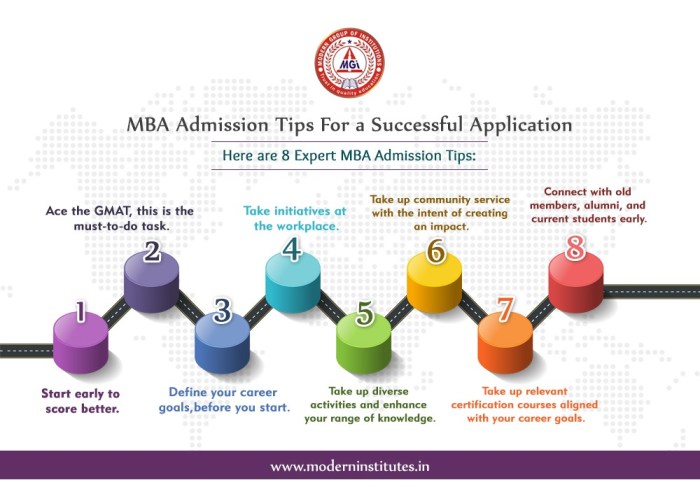
Source: moderninstitutes.in
Navigating the financial landscape of an MBA program is crucial for prospective students. Understanding the costs involved and how to fund them can significantly impact your overall experience and future financial health. This section delves into various funding options available for MBA programs, budgeting strategies, and the potential implications of student loans.
Funding Options for MBA Programs
Several avenues exist for financing an MBA, each with its own advantages and considerations. Exploring these options can help ease the financial burden associated with graduate education.
- Scholarships: Many universities and external organizations offer scholarships based on merit, need, or specific criteria like diversity or professional experience. Researching these opportunities can lead to substantial savings.
- Grants: Unlike loans, grants do not need to be repaid. They often come from government sources or educational institutions and can help cover tuition costs.
- Assistantships: Graduate assistantships provide students with tuition remission in exchange for work, typically in teaching or research roles, which can also enrich the educational experience.
- Employer Sponsorship: Some companies offer sponsorship for employees pursuing advanced degrees, covering part or all of tuition costs in return for a commitment to stay with the company for a set period.
- Student Loans: While loans can be an effective way to finance education, they require careful consideration due to their long-term implications on financial health.
Budgeting and Financial Planning
Creating a detailed budget is essential for managing the expenses associated with an MBA program. Incorporating all potential costs can help in making informed financial decisions.
- Tuition and Fees: Calculate the total tuition fees and additional costs such as registration, materials, and technology fees.
- Living Expenses: Factor in accommodation, food, transportation, and other daily expenses that will be incurred during the study period.
- Books and Supplies: Estimate the costs of textbooks, software, and other academic supplies that will be needed throughout the program.
- Miscellaneous Costs: Include costs for networking events, travel for interviews, and any professional development activities.
Impact of Student Loans
Taking on student loans can have significant long-term effects on financial health and decision-making. Understanding these implications is vital for prospective MBA students.
- Debt Load: The amount borrowed will affect future financial decisions, including purchasing a home or investing in other opportunities.
- Repayment Plans: Familiarize yourself with different repayment options and choose a plan that aligns with your career trajectory and income potential.
- Interest Rates: Be aware of the terms of your loans, as interest rates can greatly influence the total amount to be repaid over time.
- Default Risks: Failing to manage loan repayments can lead to severe financial consequences, including damaged credit scores and limited financial options in the future.
“Understanding your financial commitments is as crucial as understanding your academic journey.”
Personal Branding

Source: careerprotocol.com
Building a personal brand is an essential step in the MBA admission process. It allows candidates to present their unique value proposition to admissions committees, distinguishing themselves in a competitive applicant pool. A well-crafted personal brand communicates who you are, what you stand for, and how your experiences shape your professional identity.To effectively showcase your personal brand during the application process, it’s vital to highlight your professional achievements and unique qualities.
By articulating your story and aligning it with your career goals, you create a compelling narrative that resonates with the admissions team. Leveraging various methods can help you stand out and make a lasting impression.
Strategies for Building a Personal Brand
Developing a strong personal brand involves several strategic steps that highlight your individuality and professional strengths. Consider the following approaches:
- Identifying Core Values: Understand what values are central to your identity and career aspirations. This will guide how you present yourself to others.
- Crafting a Unique Value Proposition: Clearly articulate what differentiates you from other candidates. This could be a specific skill set, experience, or perspective that you bring to the table.
- Consistent Messaging: Ensure that all platforms – from your resume to your LinkedIn profile – convey a cohesive story about your professional journey and goals.
- Personal Storytelling: Use storytelling to connect emotionally with readers. Share experiences that shaped your career path and how they align with your aspirations for an MBA.
Showcasing Professional Achievements
Effectively showcasing your accomplishments is crucial in illustrating your value to the admissions committees. Here are some methods to ensure your achievements stand out:
- Quantifiable Results: Whenever possible, use numbers to highlight your successes. For instance, stating that you “increased sales by 30%” is more impactful than simply saying you had success in sales.
- Relevant Experiences: Focus on achievements that are directly related to your future goals. This alignment demonstrates foresight and intention.
- Peer Recommendations: Include testimonials or recommendations from colleagues or supervisors that speak to your contributions and character. Peer validation can enhance credibility.
- Leadership Roles: Highlight positions where you exhibited leadership and initiative, showcasing your potential as a future leader in your field.
Utilizing Social Media for Personal Branding, MBA Program Admission Tips
Social media is a powerful tool for enhancing your personal brand and should be strategically utilized during your MBA application journey. Consider the following tactics:
- Professional Networking: Use platforms like LinkedIn to connect with industry leaders, alumni, and other applicants. Engaging with professionals in your field can broaden your network.
- Content Sharing: Share articles, insights, and professional achievements that reflect your interests and expertise. This positions you as a thought leader in your area.
- Engagement with Relevant Groups: Join groups or forums related to your field or MBA interest. Participate in discussions to showcase your knowledge and commitment to ongoing learning.
- Personal Branding Consistency: Ensure that your online presence is consistent with your personal brand. Your profile pictures, bios, and posts should all align with the narrative you want to convey.
Time Management
Navigating the MBA application process can be both exciting and overwhelming. With multiple deadlines, tests, and personal commitments, effective time management becomes essential. This segment will highlight techniques to balance these various demands, ensuring that you can proceed with confidence while maintaining your professional and personal life.One of the most effective methods for managing your time during the application process is creating a structured schedule.
A clear timeline helps visualize deadlines and allocate time efficiently. Here are some techniques that can guide you:
Balancing Application Processes with Personal and Professional Life
Maintaining a balance between your application tasks and daily responsibilities is crucial. Here are some strategies to help you organize your time effectively:
- Set Clear Priorities: Identify tasks that are most urgent and important. Creating a priority matrix can help differentiate between what needs immediate attention and what can be scheduled for later.
- Allocate Specific Time Blocks: Dedicate specific blocks of time each week solely for application-related activities, such as studying for exams, writing essays, and preparing for interviews. This can prevent last-minute cramming.
- Use Digital Tools: Utilize project management apps or calendars to keep track of deadlines and tasks. Tools like Trello or Google Calendar can help streamline your planning.
- Establish a Routine: Develop a daily or weekly routine that incorporates application tasks alongside your work and personal life, ensuring that you spend adequate time on all fronts.
Prioritizing Tasks During the Application Cycle
Understanding how to prioritize tasks during the application cycle is vital for managing stress and ensuring timely submissions. Here are tips to help you prioritize effectively:
- Identify Deadlines: Start by listing all the important deadlines you need to meet, like GMAT/GRE test dates, application submission deadlines, and interview dates.
- Break Down Large Tasks: Divide larger tasks into smaller, manageable steps. For example, instead of “write essay,” break it down into “Artikel essay,” “write introduction,” and so on.
- Review Regularly: Regularly assess your progress and adjust your priorities as needed. Life can be unpredictable, and flexibility is key to managing your time effectively.
Importance of Self-Care During the Application Process
In the hustle of preparing for your MBA application, self-care can often take a backseat. However, maintaining your well-being is essential for success. Here are some self-care strategies to consider:
- Schedule Breaks: Integrate short breaks into your study and application schedule to recharge physically and mentally. Even a five-minute pause can boost your focus.
- Stay Active: Regular physical activity, whether it’s a workout, a walk, or yoga, can relieve stress and improve your overall mood, enhancing your productivity.
- Practice Mindfulness: Engaging in mindfulness techniques such as meditation or deep-breathing exercises can help you remain calm and centered throughout the application process.
- Seek Support: Share your journey with friends, family, or mentors who can provide encouragement and guidance, creating a support system that makes the process less daunting.
Post-Application Steps
After submitting your MBA applications, it’s essential to remain proactive and engaged throughout the waiting period. The actions you take in this phase can significantly influence your standing with the programs you’ve applied to and prepare you for the next stages of your MBA journey. Staying involved and informed is crucial during this period. This not only keeps your interest levels high but also positions you as a dedicated candidate.
Following up and engaging with admissions teams can be beneficial, as well as preparing for various outcomes, whether they lead to offers or rejections.
Actions to Take After Submitting Applications
Maintaining momentum after your application is submitted is vital. Here are key steps to follow:
- Confirm Submission: Always ensure that your applications were received by the respective programs and all materials are complete.
- Follow-up Communication: Send a brief, polite email thanking the admissions committee for the opportunity and expressing your enthusiasm for the program.
- Stay Informed: Regularly check your email and the program’s website for updates or communications from the admissions office.
- Prepare for Next Steps: Begin researching potential interview questions and reflecting on your application materials, as interviews may follow.
Engagement with Programs of Interest
Staying connected with your chosen programs demonstrates your continued interest and commitment. Here are effective ways to do this:
- Network with Current Students: Reach out through social media or alumni networks to gain insights into the program and potentially enhance your application.
- Attend Virtual Events: Participate in webinars, Q&A sessions, or info sessions hosted by the programs to stay engaged and informed.
- Join Online Forums: Engage in discussions on platforms such as LinkedIn or specialized MBA forums to connect with others in the applicant pool.
- Follow Up: Sending a friendly email to admissions after attending an event can help reinforce your interest.
Handling Offers or Rejections
Receiving offers or rejections can be an emotional rollercoaster, but how you respond can shape your future decisions. Here are strategies to consider:
- For Offers: Take the time to evaluate each offer carefully, considering aspects such as program fit, location, culture, and financial aid options. It’s wise to engage with current students or alumni to gather their perspectives.
- For Rejections: Use this as a learning opportunity. Reach out for feedback if possible, which can provide valuable insights for future applications. It might also be beneficial to consider applying to other programs or reapplying in the following year with strengthened credentials.
Staying proactive and engaged after submitting your applications can set you apart from other candidates and position you for success, regardless of the outcome.
End of Discussion
In summary, mastering the MBA admission process requires careful planning, strategic networking, and self-presentation. By utilizing the tips and strategies Artikeld, you can enhance your application, showcasing your unique strengths and experiences. Remember, each step you take brings you closer to achieving your educational and career aspirations.
Essential Questionnaire
What is the average GMAT score for MBA admissions?
The average GMAT score for MBA admissions typically ranges from 600 to 700, depending on the program’s competitiveness.
How important are letters of recommendation?
Letters of recommendation are crucial as they provide insights into your character and work ethic from a third-party perspective, which can greatly influence admission decisions.
Can I apply to multiple MBA programs at once?
Yes, you can apply to multiple MBA programs simultaneously, but ensure you can manage the different application requirements and deadlines.
Is work experience necessary for MBA admission?
While not always mandatory, having relevant work experience can strengthen your application and is often preferred by many programs.
What role does networking play in the MBA admission process?
Networking can provide valuable insights into programs, help you connect with alumni, and potentially strengthen your application through referrals and recommendations.